
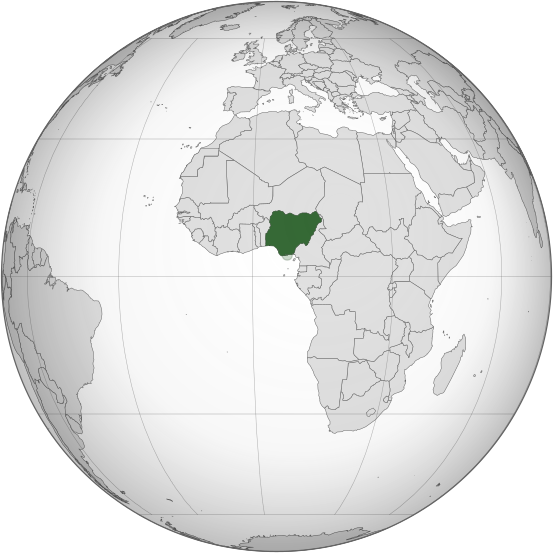
Uber has stopped ride-hailing operations in Nigeria and Uganda following a review of its African business. The exits remove a familiar platform from two large urban markets while the company retains operations elsewhere on the continent.
For drivers, the practical questions come first: access to support, settlement of balances and the transfer of customers to competing platforms. In Nigeria, fuel costs, weak purchasing power, commissions and competition have long shaped the economics of app-based driving.
The departure does not mean demand for digital transport has disappeared. It creates room for regional and local operators, but also tests whether those companies can offer reliable service while giving drivers a sustainable share of each fare.