
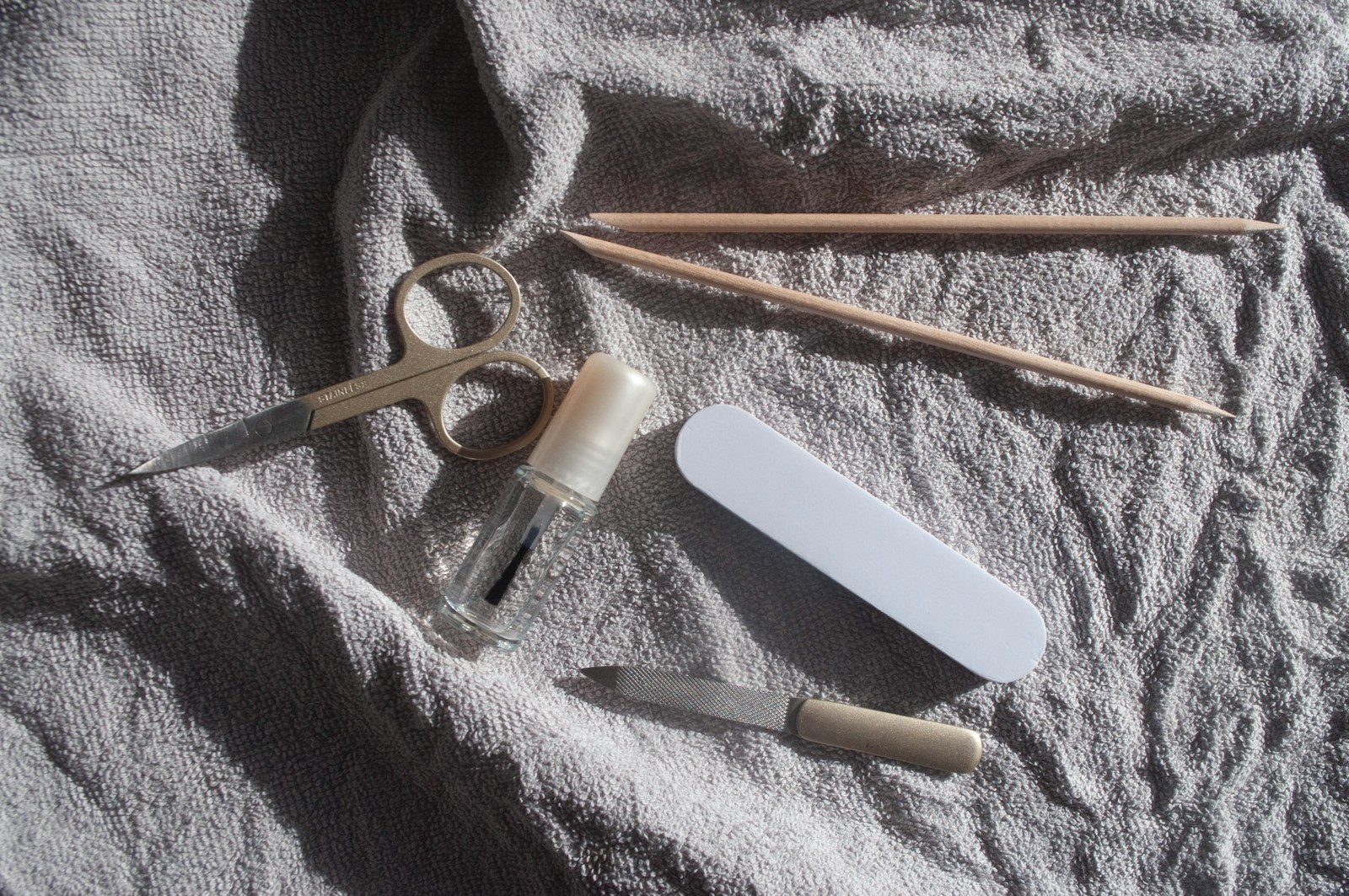
A glossy red, a soft neutral, a French tip or an unpolished finish can each make hands and feet feel considered. The best appointment starts with what you enjoy and what works in daily life. Manicures and pedicures are grooming choices, not requirements for being well dressed, and an elaborate set is not automatically a better one.
Decide the look and the practical limits
Discuss length and shape before colour. Think about typing, cooking, caring for children, wearing gloves or playing an instrument. Bring an example of the finish you like, then ask what is achievable on your own nails and what would require an extension. A shorter set can still carry bold colour or a fine line of nail art; there is no single correct “professional” shade for every woman.
Make the quote specific. Does the price include taking off an old set, shaping, polish, gel curing, extensions or designs on every nail? Is a repair included, and what will removal cost later? If you need to leave at a fixed time, say so before the service begins. For ordinary polish, allow drying time and consider footwear that will not immediately press against freshly painted toenails.
Check the station before choosing a shade
The American Academy of Dermatology advises checking that workstations are clean, technicians wash their hands between clients and tools are properly cleaned. Ask how reusable instruments are processed and how pedicure footbaths and filters are disinfected. A tidy photograph or expensive interior cannot answer those questions. If the explanation or visible conditions concern you, choose another appointment.
Protect the skin around the nails. Dermatologists advise against cutting or forcefully pushing back cuticles. They also recommend avoiding shaving the lower legs for at least 24 hours before a pedicure, because small nicks can increase infection risk. Do not use an artificial nail to conceal a nail problem. If a product causes a reaction, note its name so a clinician can assess it.
Gel needs a removal plan
Gel appointments bring their own decisions. The Academy notes that gels can leave nails brittle or peeling and advises against picking them off. For UV curing, its guidance includes broad-spectrum, water-resistant SPF 30 or higher on the hands, or opaque gloves with the fingertips exposed. Discuss correct removal and leave room in your budget for it rather than peeling a lifting set at home.
Keep aftercare modest: moisturise nails and surrounding skin, and consider breaks between gel appointments. Record any product associated with irritation instead of repeating the same service and hoping for a different result. Your technician should be able to explain what was applied without turning the conversation into pressure to purchase several extras.
A pedicure is not medical treatment
A pedicure is a cosmetic service, not a diagnosis for pain, infection or persistent nail changes. Seek a qualified clinician for those concerns rather than requesting polish to cover them. If a health condition affects the safety of foot care, ask your treating professional what is appropriate before booking. This guide offers general information and does not replace individual medical advice.