Body care can be a quiet daily ritual: a comfortable shower, a cream you like using and enough time to get dressed without rushing. It need not be a campaign to change your natural skin colour, erase every mark or imitate a filtered photograph. Across different climates, ages and budgets, the useful question is what makes a routine comfortable and manageable for you.
Start with comfort, not a shopping list
For dry skin, the American Academy of Dermatology recommends short, warm rather than hot showers, a gentle cleanser and moisturiser while the skin is still damp. Fragrance-free creams or ointments may be more helpful than a light lotion. Its guidance also distinguishes “fragrance-free” from “unscented,” which may still contain ingredients used to mask a smell. Choose by the label and your needs, not just the name on the front.
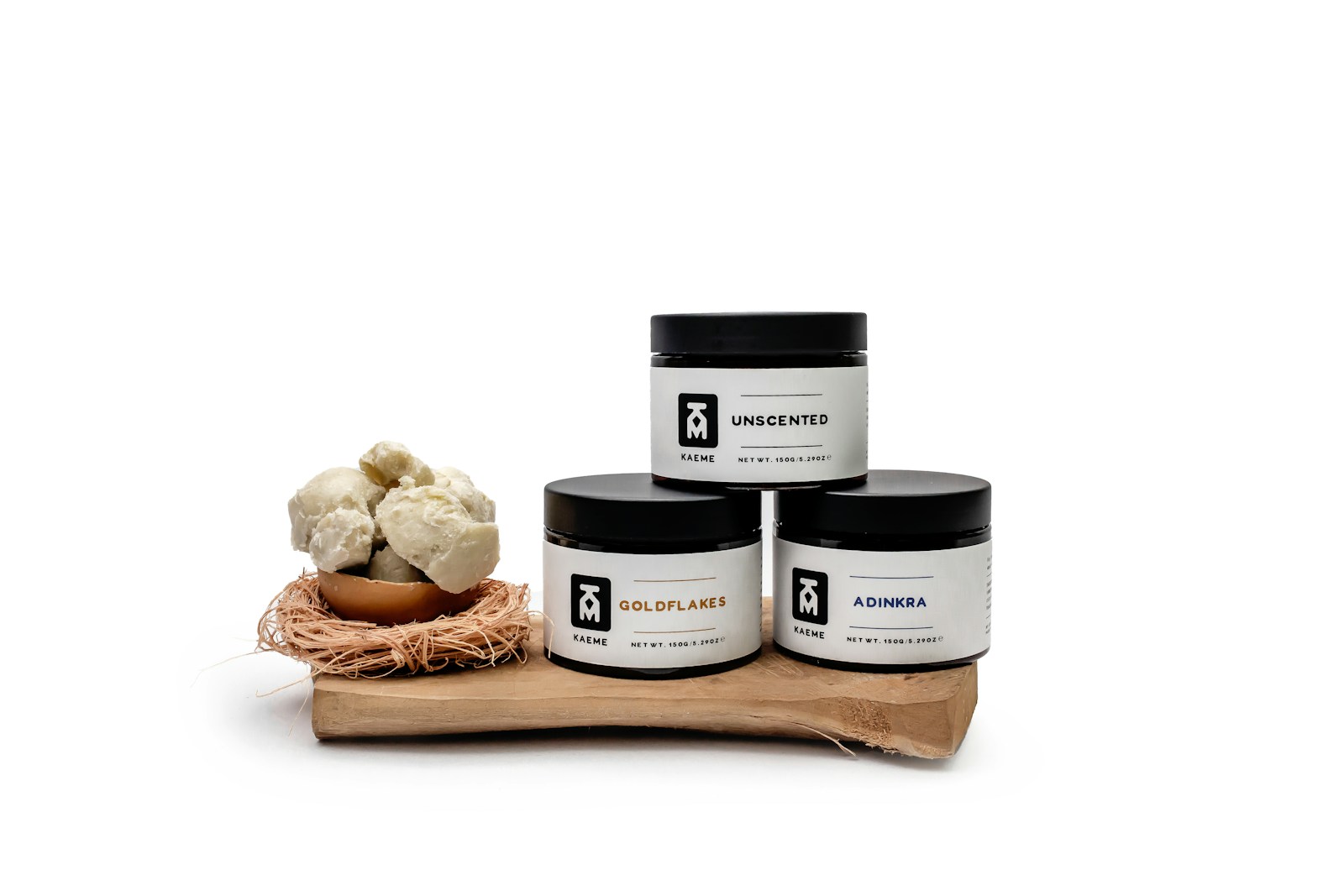
Organise the bathroom around what you actually use. Separate products for cleansing, moisturising and other specific purposes, then check whether two purchases do the same job. Keep original labels and usage instructions. A product pictured in a beauty feature—including the shea products illustrating this article—is not automatically suitable for every reader, and the photograph is not a claim that the product treats a skin condition.
Sun protection belongs in the plan
Sun protection is not reserved for light skin. The Academy recommends shade and protective clothing alongside a broad-spectrum, water-resistant sunscreen rated SPF 30 or higher. Reapply about every two hours outdoors and after swimming or sweating. When shopping, ask about texture and visible finish as well as protection; the product should fit a routine you can follow, rather than sit unopened because you dislike wearing it.
Make grooming choices your own
Hair removal, fragrance and elaborate spa appointments are optional. If you book a grooming service, ask what will be used, who will perform it, how privacy is handled and what aftercare is needed. Explain previous reactions and any treatment instructions from your clinician. You do not have to agree to an additional procedure simply because it is offered as part of a package.
For shaving dry skin, the Academy suggests doing it towards the end of bathing, when the hair and skin are softer, and moisturising afterwards. Persistent dryness, burning or irritation should prompt medical advice rather than more vigorous treatment. Body care is not a substitute for assessment of a condition, and a cosmetic counter is not the place to obtain a diagnosis.
Buy with a purpose
Write a short shopping brief: what you want the product to do, how much you can spend and which ingredients you already know you cannot tolerate. Ask the retailer about the seal, expiry information, storage instructions and returns. Keep a receipt and avoid losing the product identity by transferring everything into unlabelled decorative jars. Restocking a familiar basic can be more useful than buying an entire routine at once.
A sustainable beauty budget includes ordinary replacements and any professional appointments you actually value. There is no obligation to buy the largest bottle, the most expensive cream or a treatment for every part of the body. Use our five-city address book for places to enquire, then make the final choice around your own comfort. This is general educational grooming information, not individual medical advice or a product prescription.