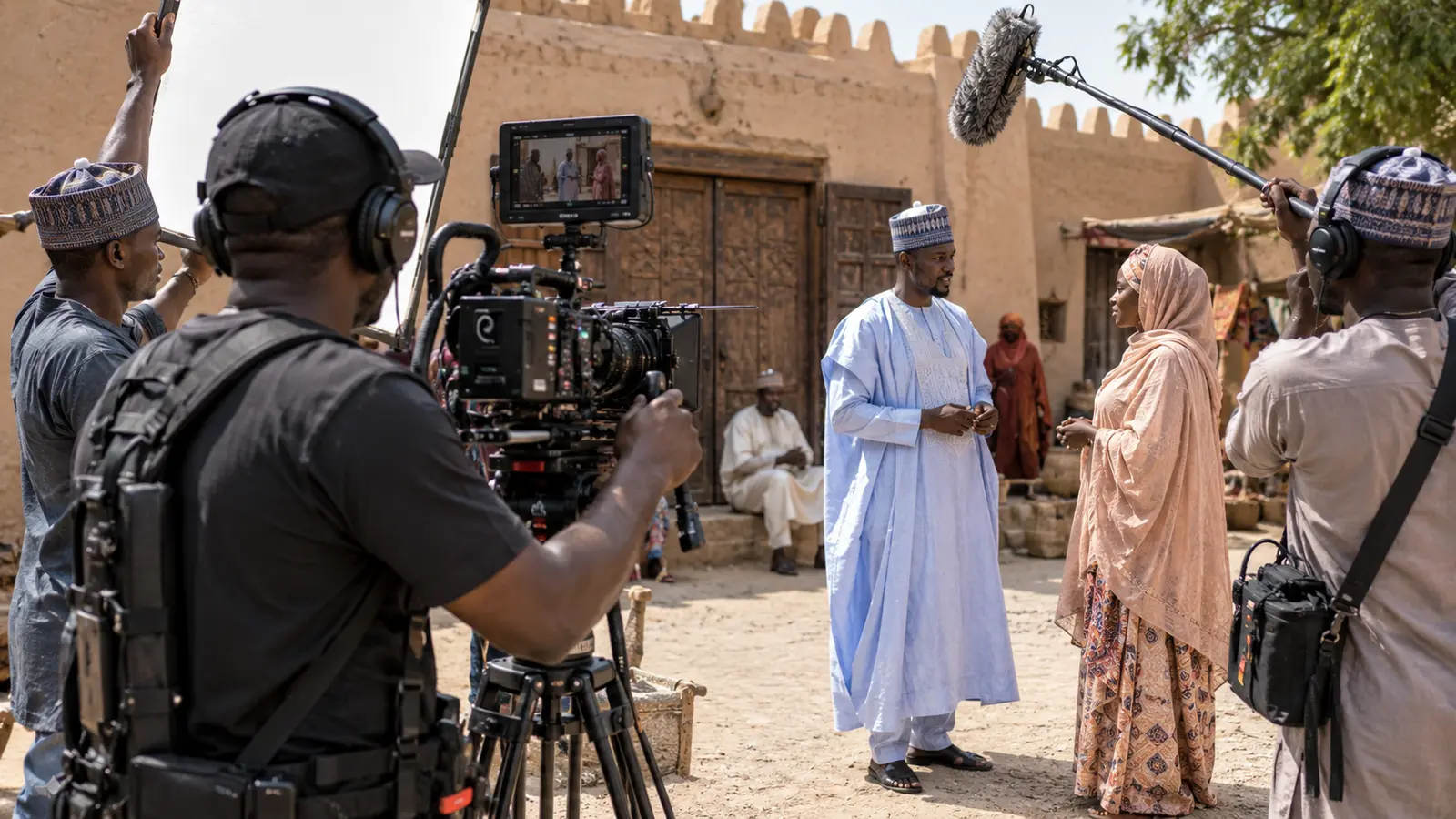
Any account of Nigerian cinema that treats Kannywood as a northern footnote mistakes Lagos visibility for national completeness. Centred in Kano and working chiefly in Hausa, the industry has built stars, music, television audiences and distribution networks across northern Nigeria and Hausa-speaking communities far beyond the country.
Its films operate within specific social and regulatory environments. Family reputation, Islam, censorship, gender expectations and audience taste shape what can be shown and how conflict is resolved. Those constraints can limit expression, but they also produce narrative codes that outside commentators miss when they evaluate every film against southern genres.
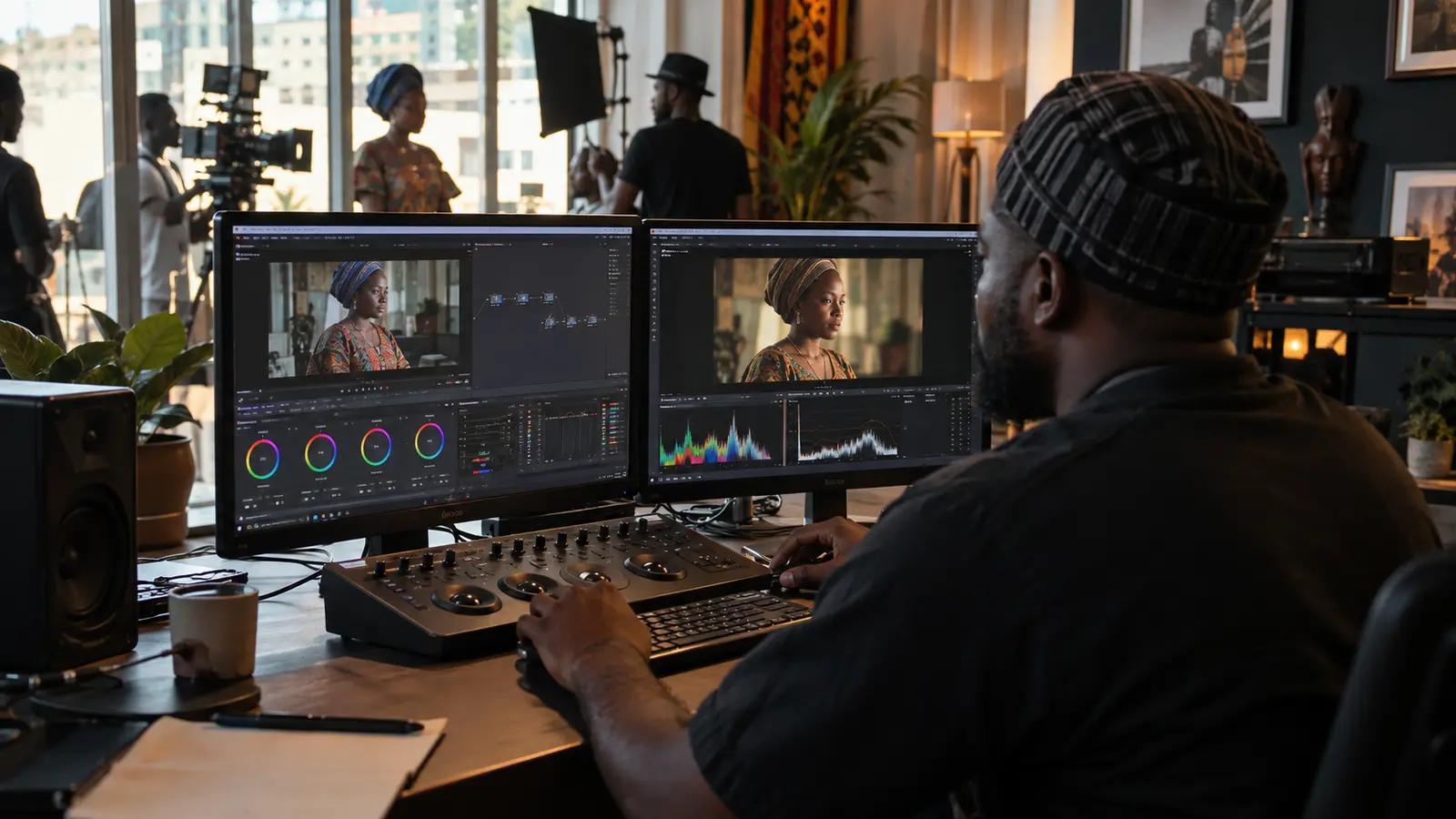
Kannywood sustains writers, actors, directors, singers, editors, marketers, cinemas and informal sellers. Music often travels farther than the film, while television and online platforms alter revenue. Piracy and weak contracts remain serious, particularly where popularity is visible but reliable sales data are not.
The bridge to the wider industry should not require assimilation. Co-productions can share technical crews, finance, subtitles and distribution while keeping Hausa authorship and northern locations central. National awards, criticism and film schools need practitioners who understand Kannywood from within, not only occasional celebrity coverage.
Nollywood becomes more powerful when understood as several connected cinemas: Yoruba, Igbo, Hausa, English-language and many emerging regional forms. Kannywood does not need permission to exist; the national industry needs the intellectual honesty to recognise how much of Nigeria it has failed to see.