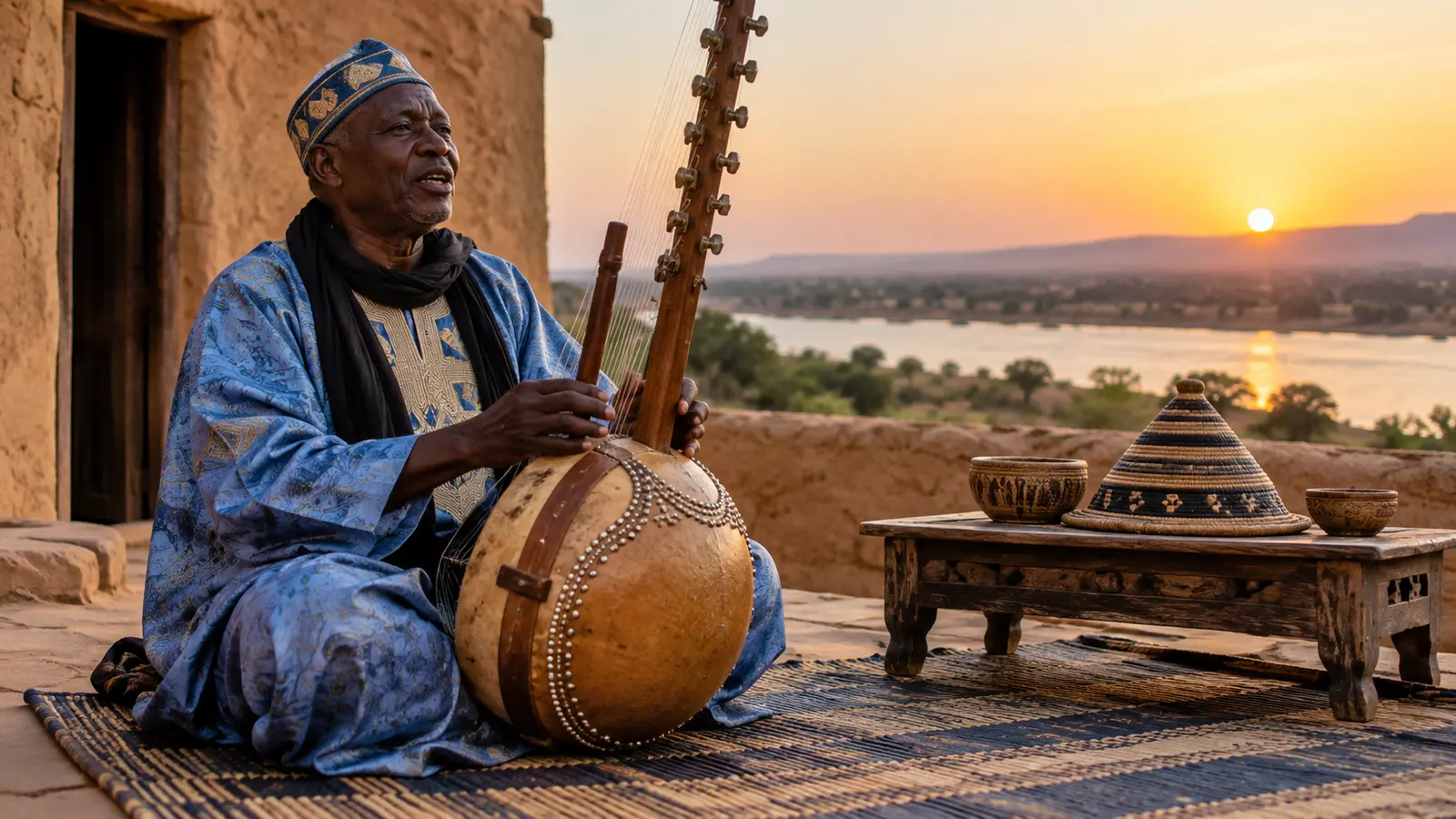
Across parts of the western Sahel and Mande world, hereditary specialists often described in French as griots—and known by community-specific terms such as jeli—serve as musicians, genealogists, praise singers, mediators and custodians of public memory. Their roles differ across Mali, Guinea, Senegal, Gambia and neighbouring societies.
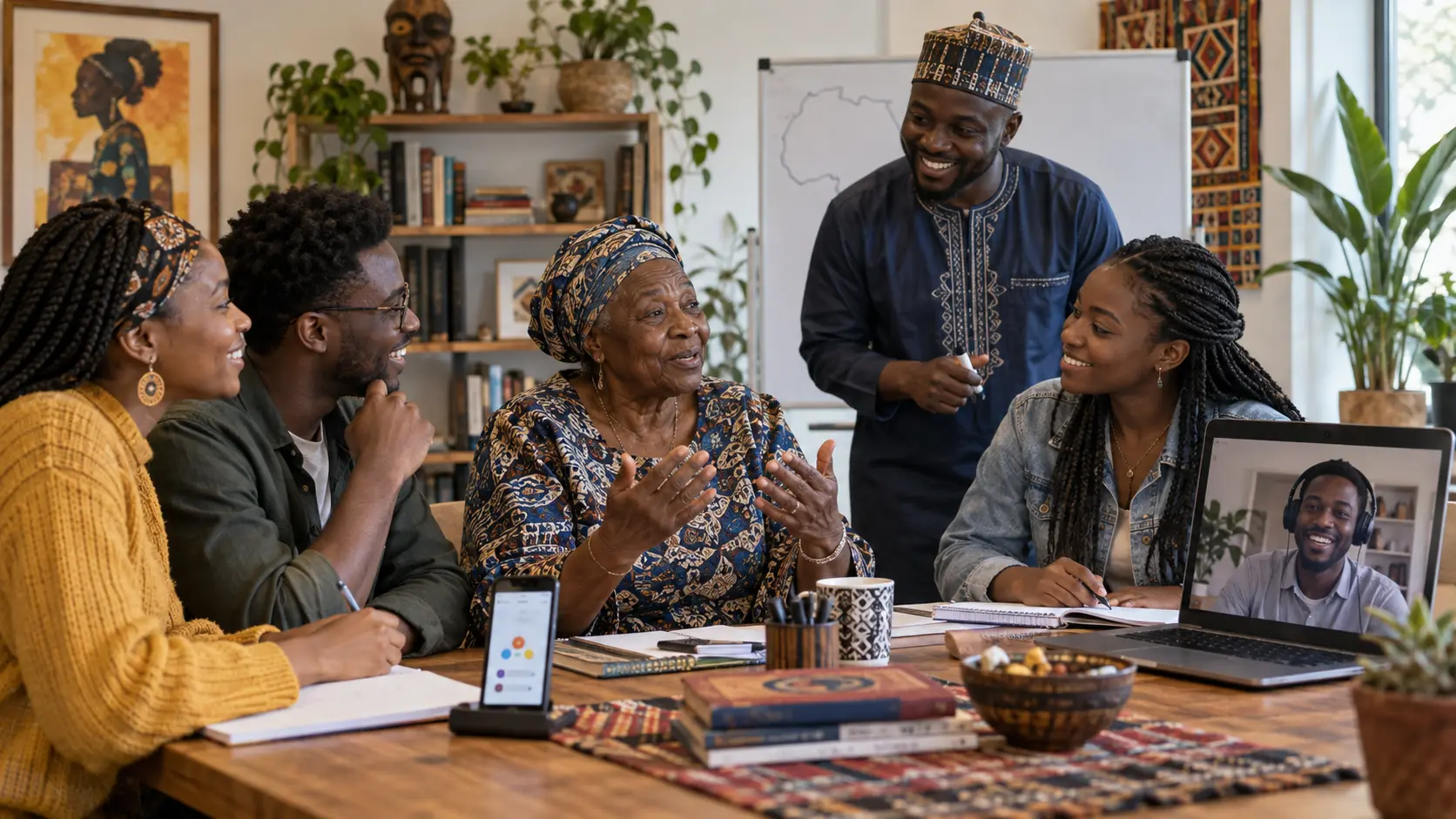
Mastery is built through families and apprenticeship: learning lineages, episodes, praise names, diplomatic language and instruments such as the kora, ngoni or balafon. Performance is never mere recitation. The specialist selects and reshapes inherited material for the audience, patron and political moment.
Weddings, naming ceremonies, concerts, recordings and state events provide income, while migration creates audiences abroad. Digital platforms can preserve performances and expand bookings, but recordings also circulate without payment or detach a narrative from the family authorised to tell it.
An oral archive is not inferior because it lives in people. Preservation should fund practitioners, document consent and train successors. Scholars and broadcasters must distinguish collaborative recording from extraction: the voice that carries history retains rights over how that history travels.