A protected prosecution witness in the federal terrorism trial arising from the 2026 Oriire school abduction told an Abuja court on Friday, 18 September, that she saw three of the five defendants during the captives’ time in forest camps. Her account is testimony under challenge, not a finding of guilt, and all five defendants have pleaded not guilty.
Cross-examined before Justice Salim Olasupo Ibrahim of the Federal High Court, the witness—identified in court only as AAA—said she recognised three defendants as people who were present while the abducted pupils and teachers were held. Channels Television reported that she learned the identities of the other two only during questioning by the Department of State Services after the rescue.
What the witness said—and what she could not say
The witness also confirmed the identities of two teachers who died: Michael Oyedokun and John Olaleye. She said other captives recovered their bodies, but acknowledged that she was not present when the men were killed and could not identify the individuals who carried out the killings. That distinction is central to assessing what her testimony can directly establish.
The hearing therefore produced both an allegation linking some defendants to the captivity sites and a clear limit on the witness’s personal knowledge. Prosecutors may rely on additional witnesses, forensic material or other evidence, while defence lawyers remain entitled to test the identification, the circumstances in which it was made and any account obtained after the rescue.
The case is being heard under charge number FHC/ABJ/CR/438/2026. At their re-arraignment on Thursday, 17 September, the five men denied an amended seven-count charge containing terrorism-related allegations, including participation in the abduction and alleged complicity in the deaths. The charges remain accusations unless proved beyond reasonable doubt.
Five defendants deny the amended charges
Reporting on the case describes the men as suspected members of Ansaru, an armed group that Nigerian authorities have designated as terrorist. That description is part of the prosecution case and security-agency account; it is not, by itself, proof that any individual defendant belonged to the group or committed the charged acts.
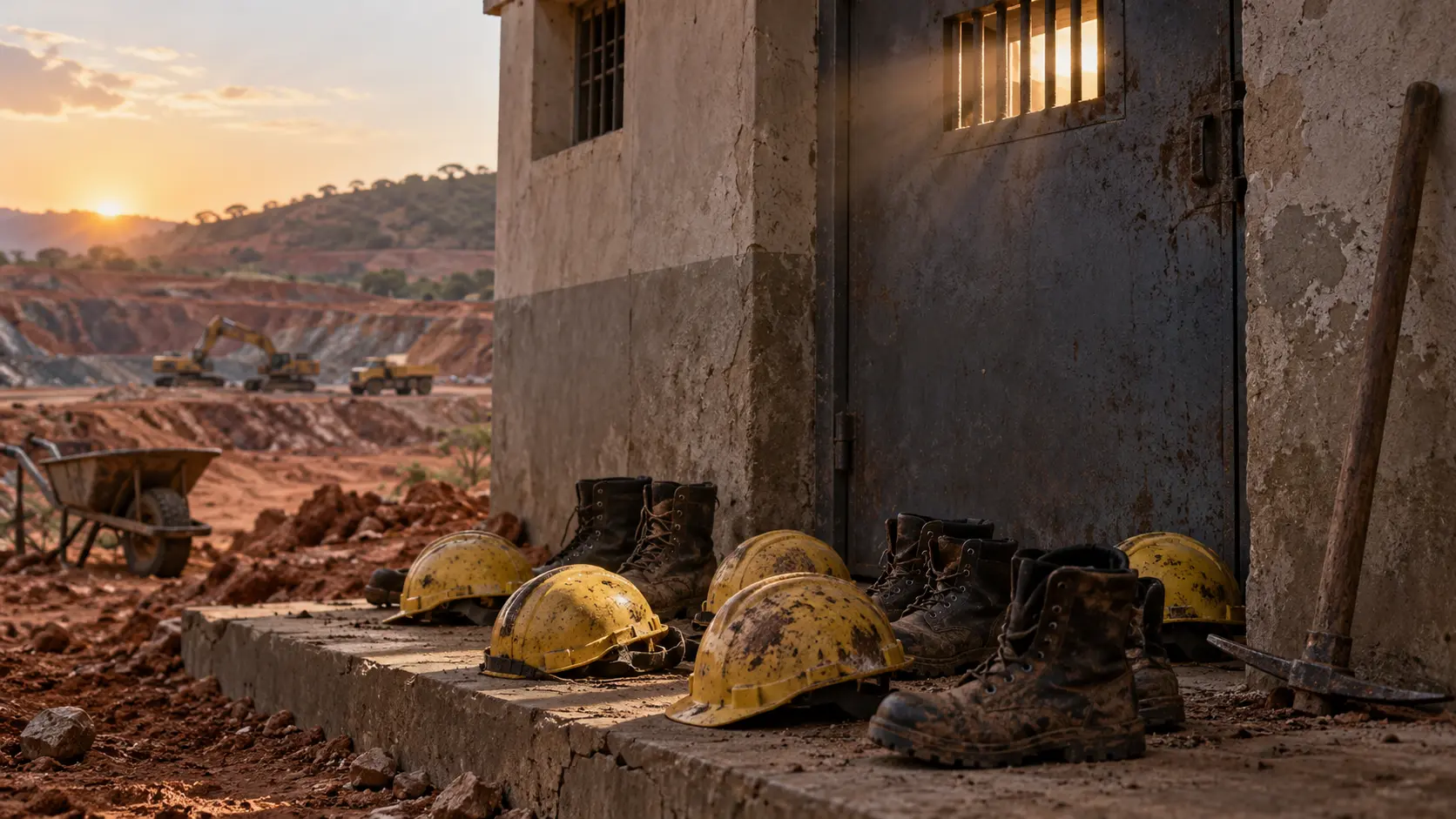
Gunmen attacked three schools in Oriire Local Government Area of Oyo State on 15 May 2026. Reports identify the affected communities and schools around Ahoro-Esiele, Yawota and Alawusa. The captives included young children, older pupils and teachers, and they were moved through several forest locations during 56 days in captivity, according to the protected witness.
Published totals are not perfectly aligned. Reuters reported that 39 pupils and seven teachers were taken, while Channels Television’s account of the witness’s evidence referred to 49 students and teachers. The discrepancy has not been conclusively reconciled in the public court reporting, so this article does not present either total as uncontested.
A 56-day ordeal now enters an evidentiary test
Authorities announced the rescue in July after more than seven weeks. The Associated Press reported at the time that one teacher had been killed and that eight suspected militants were arrested. Those earlier arrests and official claims provide context, but they do not determine the guilt of the five people now before the Federal High Court.
The court has protected the witness’s identity, a common safeguard in terrorism proceedings where disclosure could create serious security risks. That measure does not remove the defence’s right to cross-examine her or the judge’s duty to decide what weight her evidence deserves alongside the rest of the case.
Justice Ibrahim adjourned the trial to 12 and 13 October 2026 for continuation. The next hearings may show whether prosecutors can corroborate the forest-camp identifications, clarify the conflicting captive totals and present evidence directly connecting any defendant to the teachers’ deaths.
For the families and school communities, the hearing placed names and limits on a painful account after months of uncertainty. For the court, the task is narrower and exacting: determine responsibility from admissible evidence while preserving witness safety, the defendants’ fair-trial rights and the presumption of innocence.