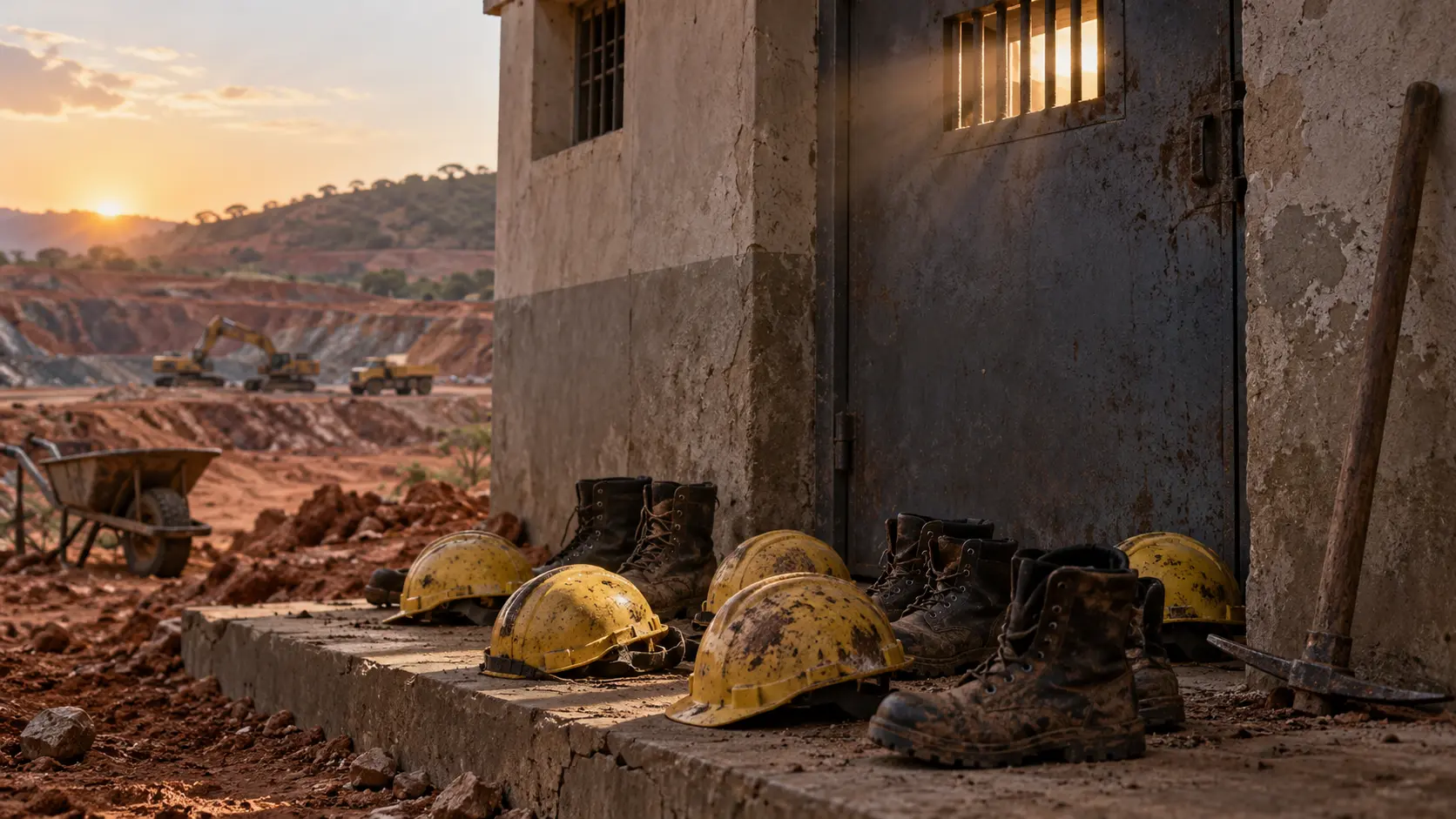
At least 37 people arrested on suspicion of illegal mining died while held by the Nigeria Security and Civil Defence Corps in Niger State, Governor Mohammed Umaru Bago said on Thursday, 17 September 2026. The mass deaths occurred after NSCDC operations on 15 and 16 September in the M.I. Wushishi and Lukoto Village axis, according to statements attributed to the corps.
The governor announced three days of mourning and postponed a planned political campaign event. The victims had not been convicted of an offence. Their status as suspects matters: custody placed a duty on the detaining authority to protect their lives, provide appropriate conditions and secure medical care while any allegations were investigated through lawful process.
What officials have confirmed
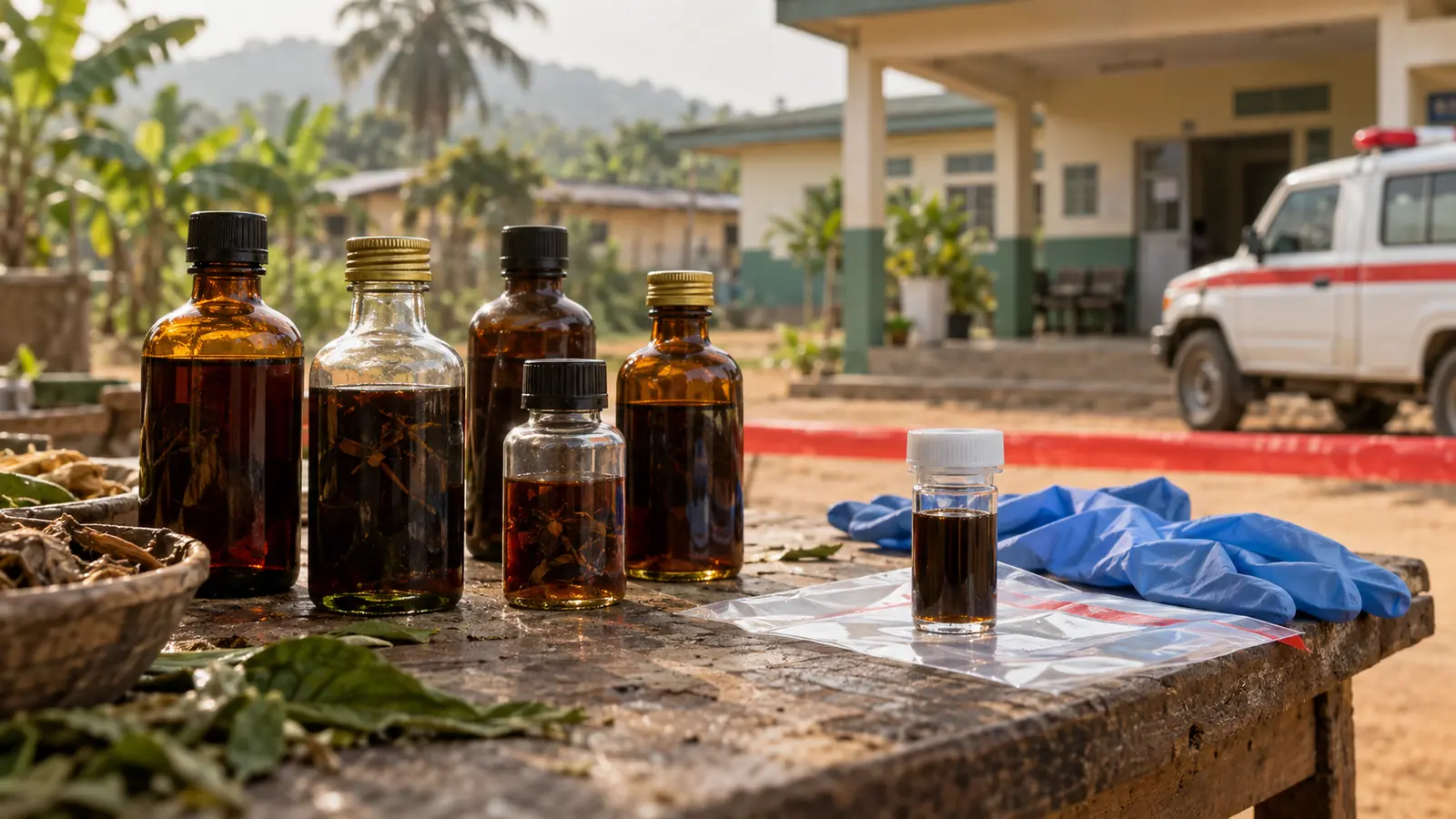
The Niger State NSCDC command initially said scores of detainees were found dead in the early hours of Thursday after what it described as a suspected disease outbreak. It deposited the bodies at General Hospital, Minna, for medical examination. The state command did not identify a disease or publish laboratory evidence supporting that explanation.
The national NSCDC subsequently cautioned against assigning a specific cause before medical and laboratory confirmation. Commandant-General Ahmed Abubakar Audi ordered an investigative team led by the deputy commandant-general for intelligence and investigation to examine the detainees’ condition when arrested, how long they were held, detention conditions, medical attention and other relevant circumstances.
That inquiry begins amid conflicting accounts. Dauda Shehu, who told the Associated Press he survived the incident, said 65 detainees had been packed into a poorly ventilated cell and struggled for air. He said detainees banged on the door to attract guards’ attention. His account is an allegation from a witness; it has not yet been established by an autopsy, laboratory result or independent finding.
A survivor disputes the initial explanation
Governor Bago separately said preliminary possibilities included suffocation or lead poisoning but stressed that the investigation would determine what happened. Other local reports have cited a lower total of 33 deaths. For this edition, the headline uses the governor’s confirmed figure of 37 while preserving the fact that early reports diverged.
Niger State police also opened an investigation and asked relatives and others with relevant information to come forward. That police inquiry is distinct from the NSCDC’s internal panel. Neither investigation has yet produced a public conclusion, identified individual responsibility or established whether criminal, disciplinary or public-health action will follow.
A credible inquiry will need more than a general statement. It should establish a verified arrest register, the number and identity of everyone detained, cell capacity, ventilation, custody logs, staff deployment, food and water provision, requests for help, medical response times, surveillance or phone evidence, and a documented chain of custody for the bodies and biological samples.
The investigation must preserve evidence and accountability
The illegal-mining allegation remains a separate issue from the deaths. Unregulated extraction can damage land, deprive communities of revenue and intersect with armed criminal networks. Those risks justify lawful enforcement; they do not reduce the obligation to treat detainees humanely or replace the presumption of innocence with punishment before trial.
The next decisive evidence will come from post-mortem and laboratory findings, reconciled casualty and survivor lists, and publication of the investigative conclusions. Until then, disease, suffocation and toxic exposure remain competing possibilities rather than established causes. The confirmed fact is that dozens of people died after being taken into state custody, requiring an independent, transparent and timely accounting.