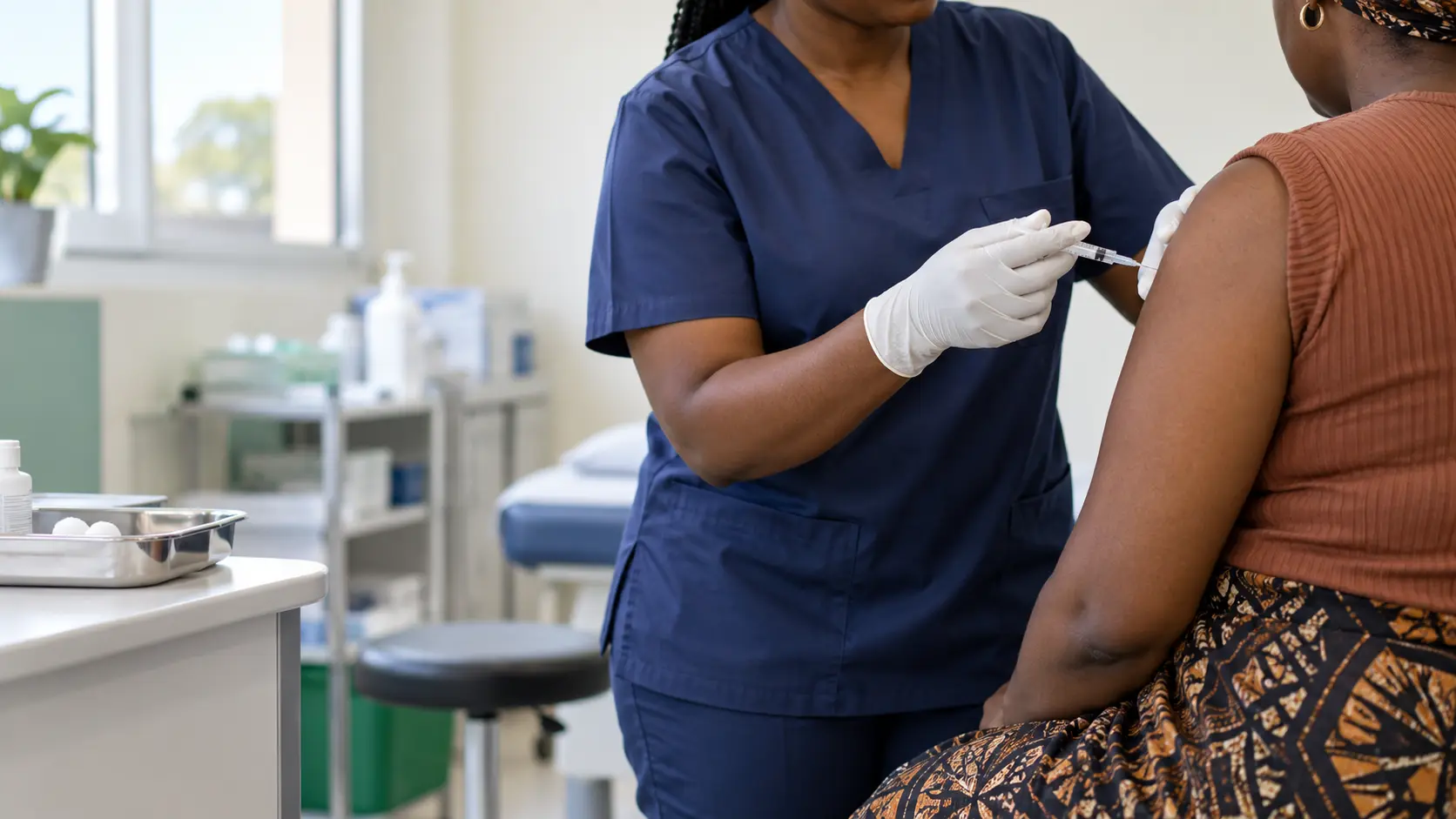

Kenya’s nurses have ended a 43-day nationwide strike after their union and the Council of Governors signed a return-to-work agreement on Wednesday, 9 September. Kenya National Union of Nurses and Midwives Secretary-General Seth Panyako directed members to resume immediately and no later than 24 hours after the announcement.
The agreement allows public hospitals and dispensaries to begin restoring nursing services after six weeks of disruption. A formal end to the strike does not mean every ward will return to full operation at the same moment: counties must complete staff reporting, rosters and local handovers, while facilities address appointments and care delayed during the walkout.
The central dispute is not fully settled. The parties gave themselves 45 days to conclude negotiations on implementation of a collective bargaining agreement reached in 2017 after an earlier six-month strike. That older agreement has remained unimplemented, with government officials citing budget constraints, so the new deadline is a commitment to finish negotiations rather than proof that all pay provisions have been funded or paid.
The Council of Governors also agreed to coordinate a model career guideline for nursing personnel within the same 45-day period. Career rules determine matters such as grading, promotion and progression across counties. A common model could reduce inconsistent treatment, but its effect will depend on the final text, county adoption and payroll implementation.
According to details reported by The Standard, the return-to-work formula says all 47 county governments will employ Universal Health Coverage staff on permanent and pensionable terms from 1 July 2026 at rates approved by the Salaries and Remuneration Commission. It also assigns the national government responsibility for gratuity accumulated under two earlier UHC contracts. These are recorded obligations in the deal; workers will still need to see them reflected in appointment letters and payments.
The parties further agreed that striking nurses would not be victimised and that the case of 46 nurses dismissed by Kisii County in 2021 would be addressed. Those protections matter because a return-to-work formula is meant to reopen services without simply moving the labour dispute into disciplinary proceedings.
The strike began on 29 July and disrupted essential care across the public system. Reporting from affected facilities described closed or reduced dispensary, maternity and ward services. During a Senate debate, Nandi Senator Samson Cherargei alleged a surge in deaths and blamed public institutions for the crisis, but no verified nationwide casualty total attributable to the strike has been published.
Pressure increased when the Kenya Medical Practitioners, Pharmacists and Dentists Union warned that doctors could issue their own strike notice if the nurses’ dispute was not resolved within seven days. Doctors said they were overburdened while covering gaps that required nursing staff. Wednesday’s agreement removes the immediate trigger for that threatened escalation, although doctors’ separate workplace concerns do not automatically disappear.
Kenya’s devolved health system makes implementation a shared test. The Constitution assigns county governments responsibility for county health services, including most facilities and pharmacies, while national institutions retain policy, financing and regulatory roles. That division helps explain why the union, governors, the Salaries and Remuneration Commission and national government all appear in the settlement.
The next evidence will be visible in hospitals and payroll records: nurses reporting within 24 hours, services reopening safely, UHC staff receiving the promised terms, and the 2017 agreement and career guideline reaching final implementation within 45 days. Until those steps are documented, the accurate conclusion is that the strike has ended and a negotiating timetable has been secured—not that the long-running labour dispute is completely resolved.