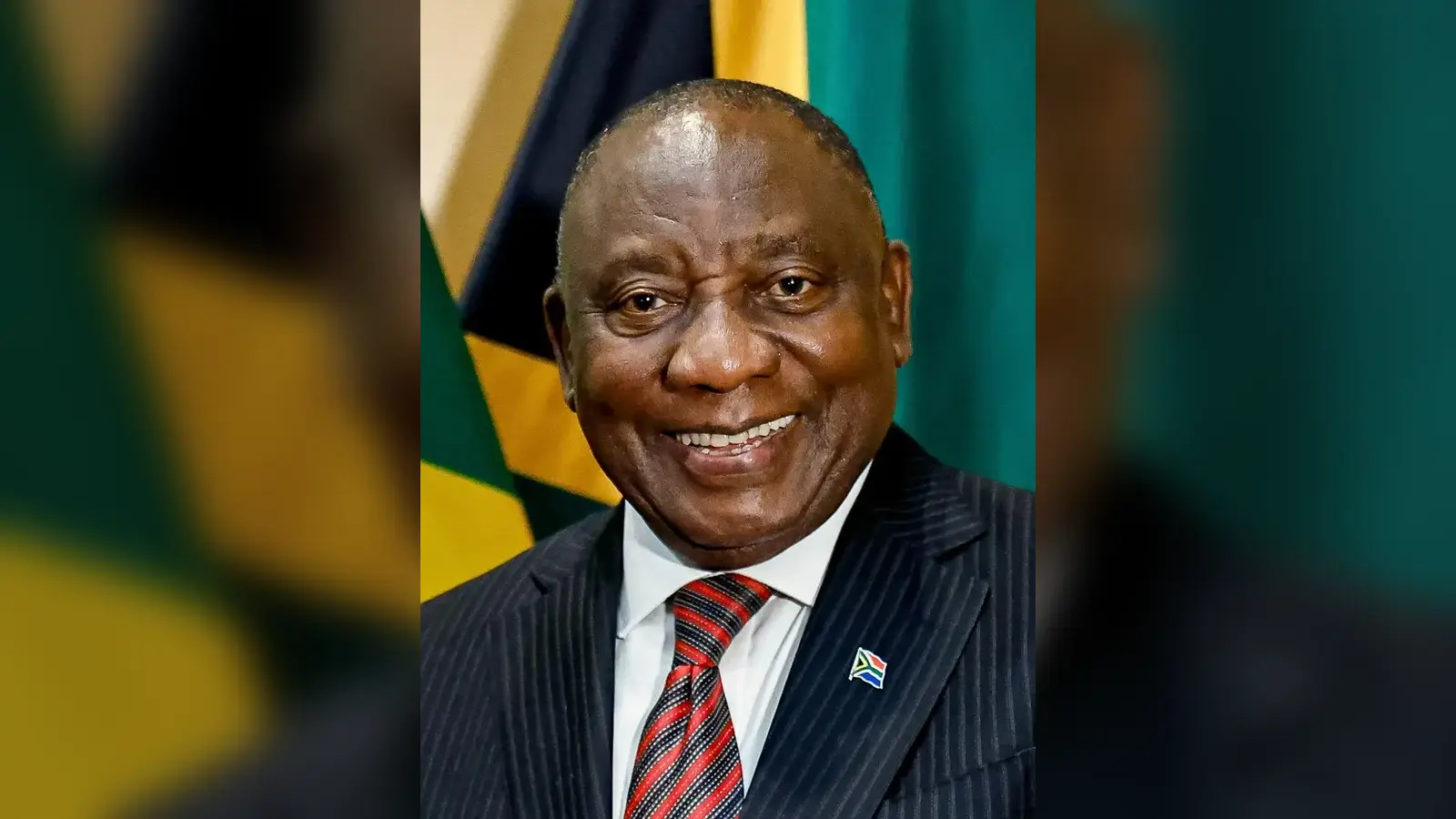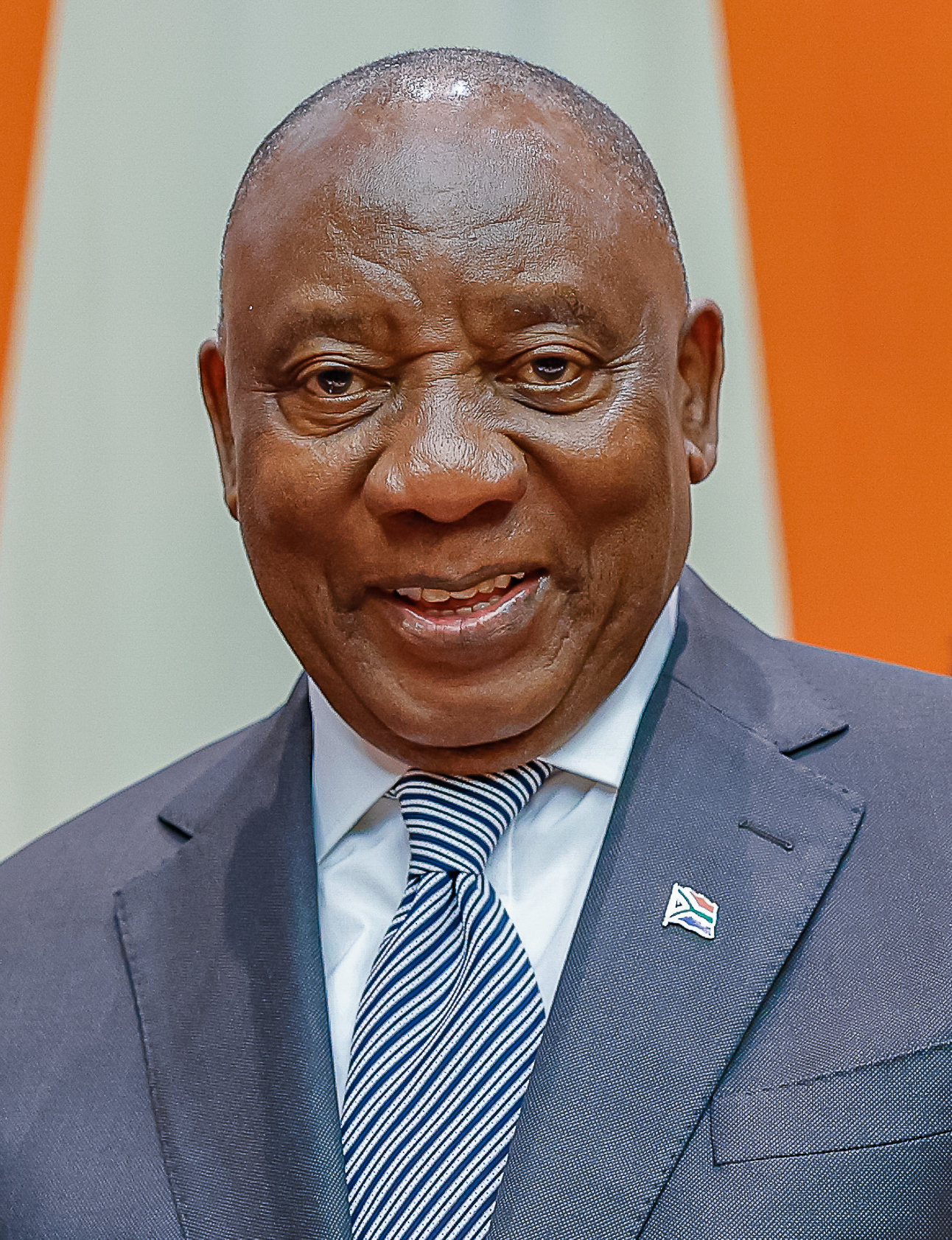
South Africa has reappointed Mteto Nyati as chair of Eskom's board for a further three years, resolving uncertainty over the leadership of the state electricity utility before his current term expires at the end of October. Electricity and Energy Minister Kgosientsho Ramokgopa announced the decision in Pretoria on Friday, 25 September.
Nyati joined the reconstituted board in 2022 and became chair in 2023, during a period when repeated load-shedding was constraining households, industry and public services. Reuters reported that Eskom had since passed more than 490 days without scheduled power cuts, while the utility says it recorded only four days of load-shedding in its 2026 financial year.
Continuity after the emergency years
The appointment preserves leadership continuity, but the minister paired it with a broader demand: Eskom and the shareholder should work from a single three-, five- and ten-year roadmap. Government's stated direction is an 'Eskom 2.0' that can support investment and industrial growth while adapting to a more competitive electricity market.
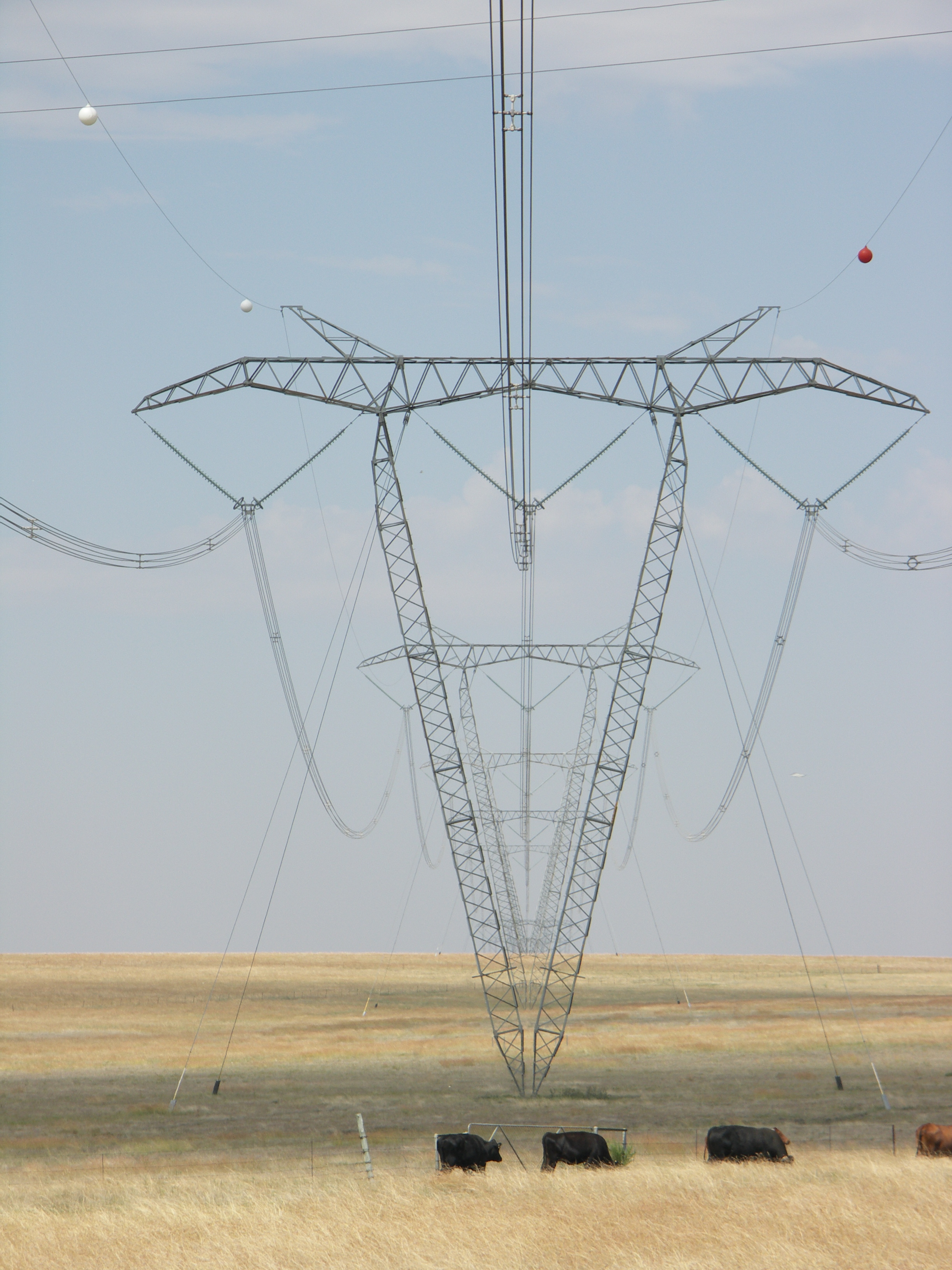
That next phase includes expanding transmission, connecting new generation and improving distribution performance. The government's briefing also pointed to engagement around roughly 2GW of renewable-energy opportunities, customer service, electricity losses and the potential use of data and artificial intelligence in forecasting and grid management. Those are policy priorities and prospective projects, not completed investments.
The financial starting point is stronger than it was three years ago. Eskom reported a second consecutive annual profit for the year ended 31 March 2026, lower use of expensive diesel generation and improved liquidity. It also plans to raise capital expenditure from about R45 billion a year in FY2026 to more than R70 billion annually from FY2029.
The harder financial test
The balance sheet is not problem-free. Eskom says municipal arrears reached about R119 billion by June 2026 and could rise sharply without decisive intervention. It also recorded declining electricity sales, a qualified audit opinion relating to the completeness of irregular-expenditure reporting, and continuing environmental-compliance work.
Ramokgopa said the government did not want another cycle of fiscal bailouts or double-digit tariff increases. That statement sets the political target; it does not by itself remove Eskom's debt, municipal non-payment or infrastructure costs. Delivering cheaper, reliable power while funding major grid work is now the central test of the renewed board mandate.
For South Africans, the practical measure will be larger than any board announcement: whether the lights stay on, tariffs remain manageable, new generation connects faster and the utility collects enough revenue to maintain the system. Nyati's reappointment recognises the operational recovery; the next three years must show whether that recovery can become a durable electricity business.