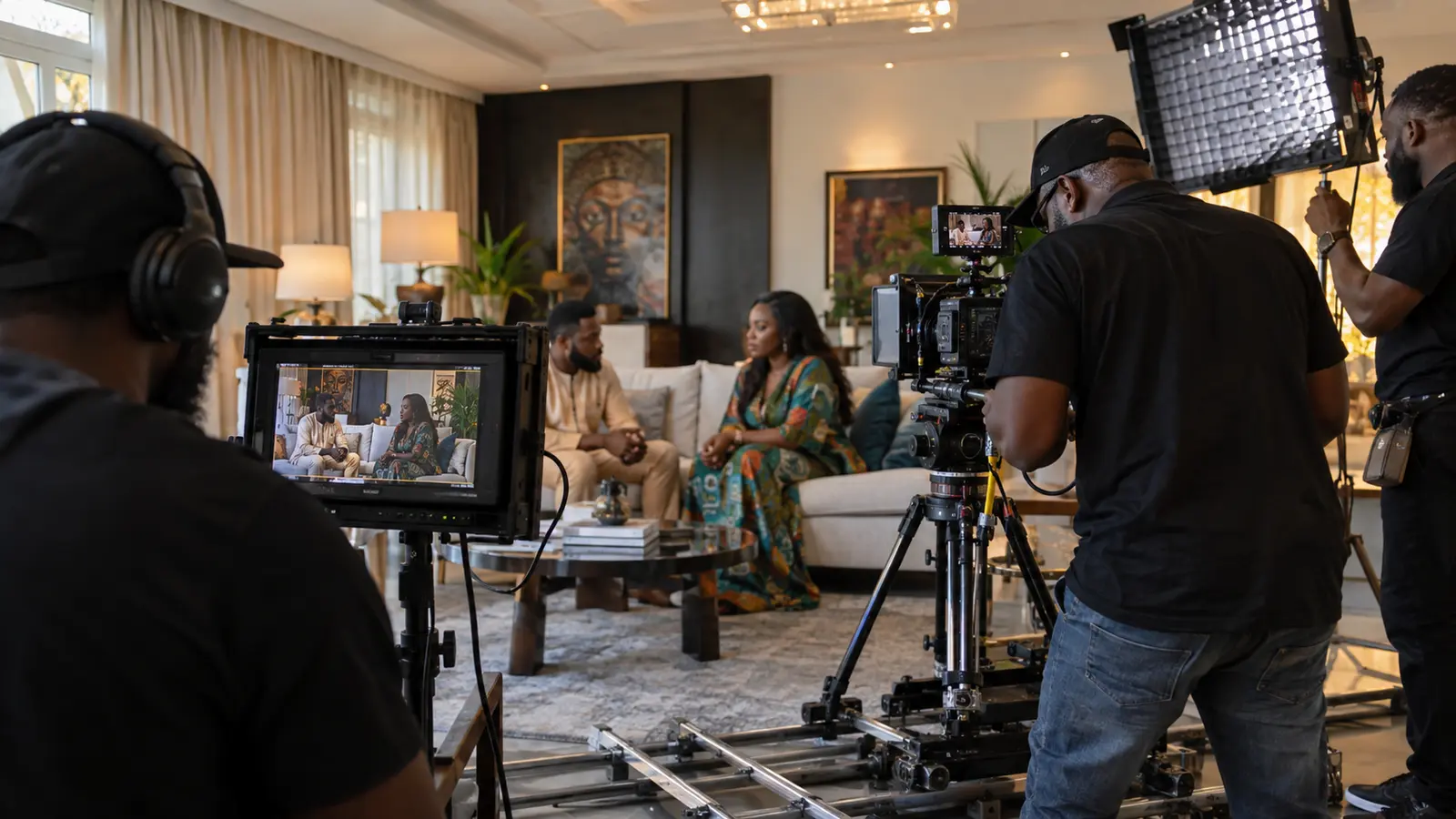
YouTube has become a parallel Nollywood cinema whose box office is measured in watch time, advertising and returning subscribers rather than tickets. Producers can reach millions without persuading a cinema buyer, and audiences can respond immediately. That access is transformative, but the platform’s apparent openness hides demanding economics.
A channel must develop scripts, cast, shoot, edit, design thumbnails, publish consistently and study retention. The first minutes decide whether viewers stay; titles and images decide whether they enter. Data can improve storytelling decisions, yet chasing yesterday’s viral pattern can make every romance, mansion and betrayal feel interchangeable.
Revenue depends on advertising markets, geography, season and platform rules the producer does not control. Sponsorship, licensing and owned audience relationships can diversify risk. Performers and writers need contracts that explain whether payment is fixed or participates in long-term channel income.
The model has created work for actors and crews who might wait years for a theatrical release. It also encourages punishing volume. Sustainable producers must budget rest, development and post-production, because a catalogue of rushed films can earn views while exhausting the people on whom the channel depends.
YouTube is not a lesser screen; it is a different institution. Its best Nigerian producers will learn from analytics without allowing analytics to become the author. The prize is direct audience knowledge converted into stronger businesses and stories—not an endless assembly line feeding an algorithm.