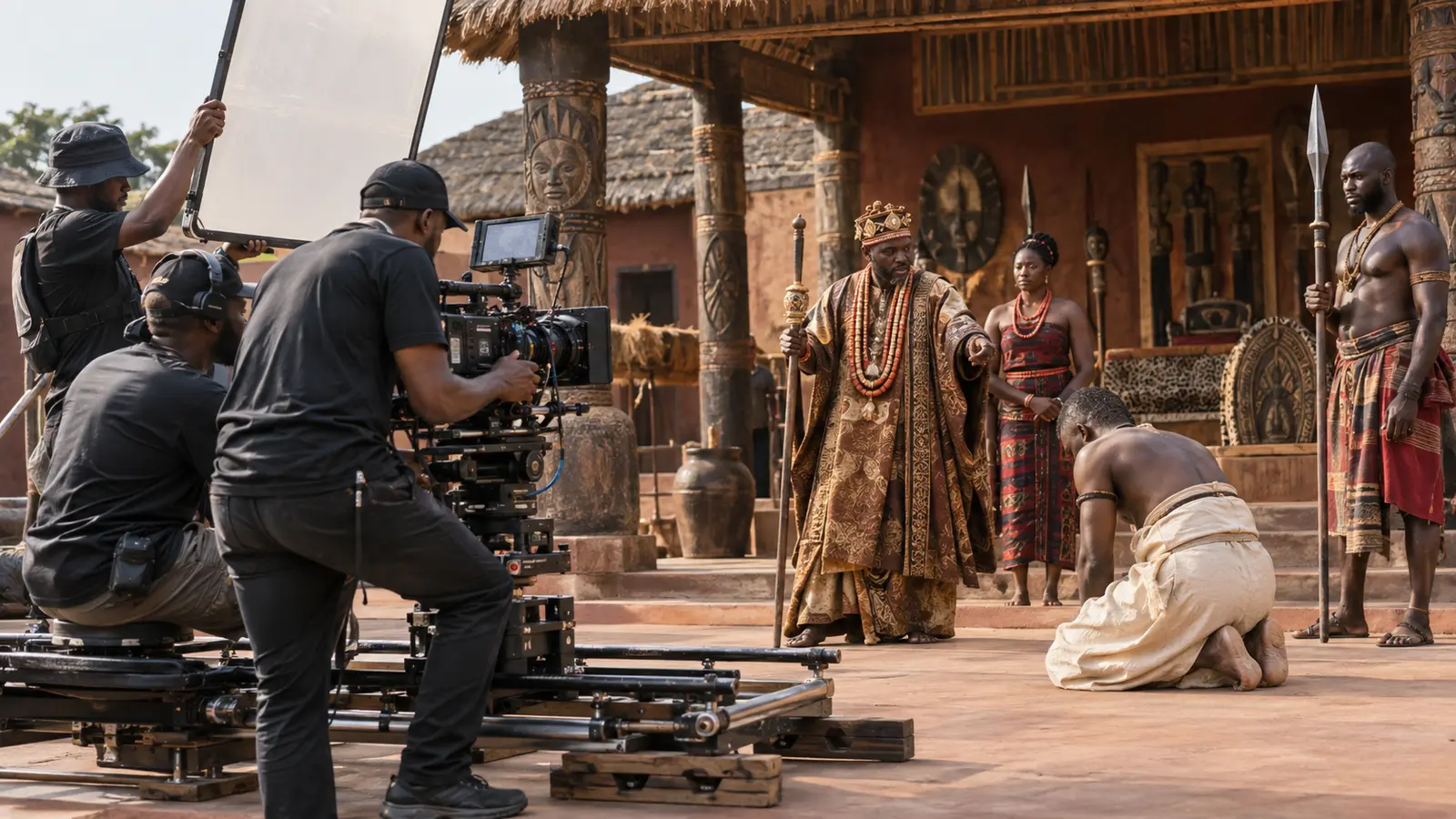
The rise of Yoruba-language epics has expanded Nollywood’s scale, but size alone is not historical seriousness. Palaces, armies and elaborate regalia can announce ambition; the harder achievement is to create people whose loyalties, fears and political choices make an older world intelligible rather than merely impressive.
Research must distinguish Yoruba kingdoms, periods and offices instead of assembling one timeless royal aesthetic. Language coaches, historians, palace sources, textile specialists, spiritual custodians and craftspeople can test names, greetings, weapons, architecture and ritual. Consultation should influence the script and budget, not decorate a press interview after filming.
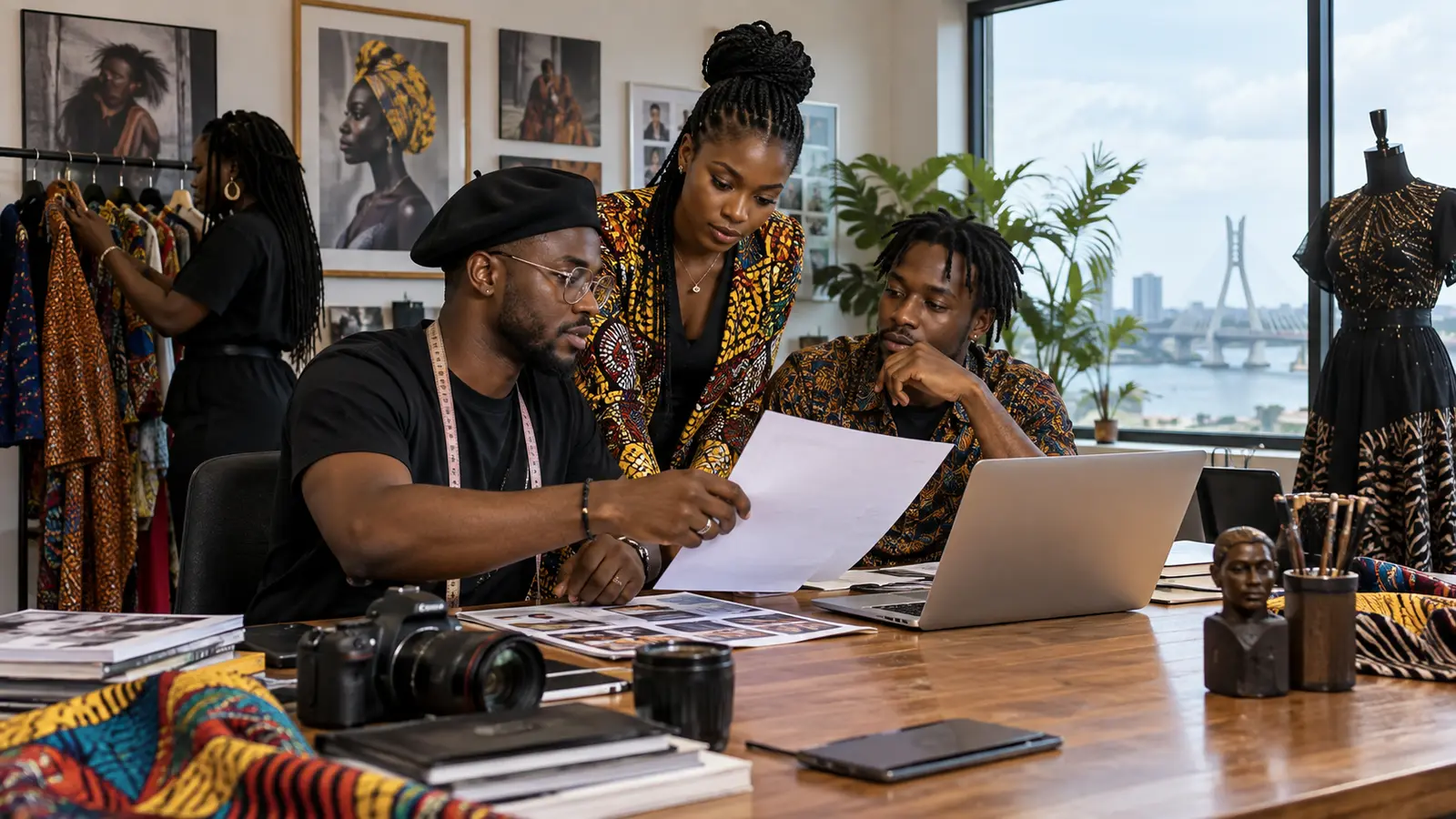
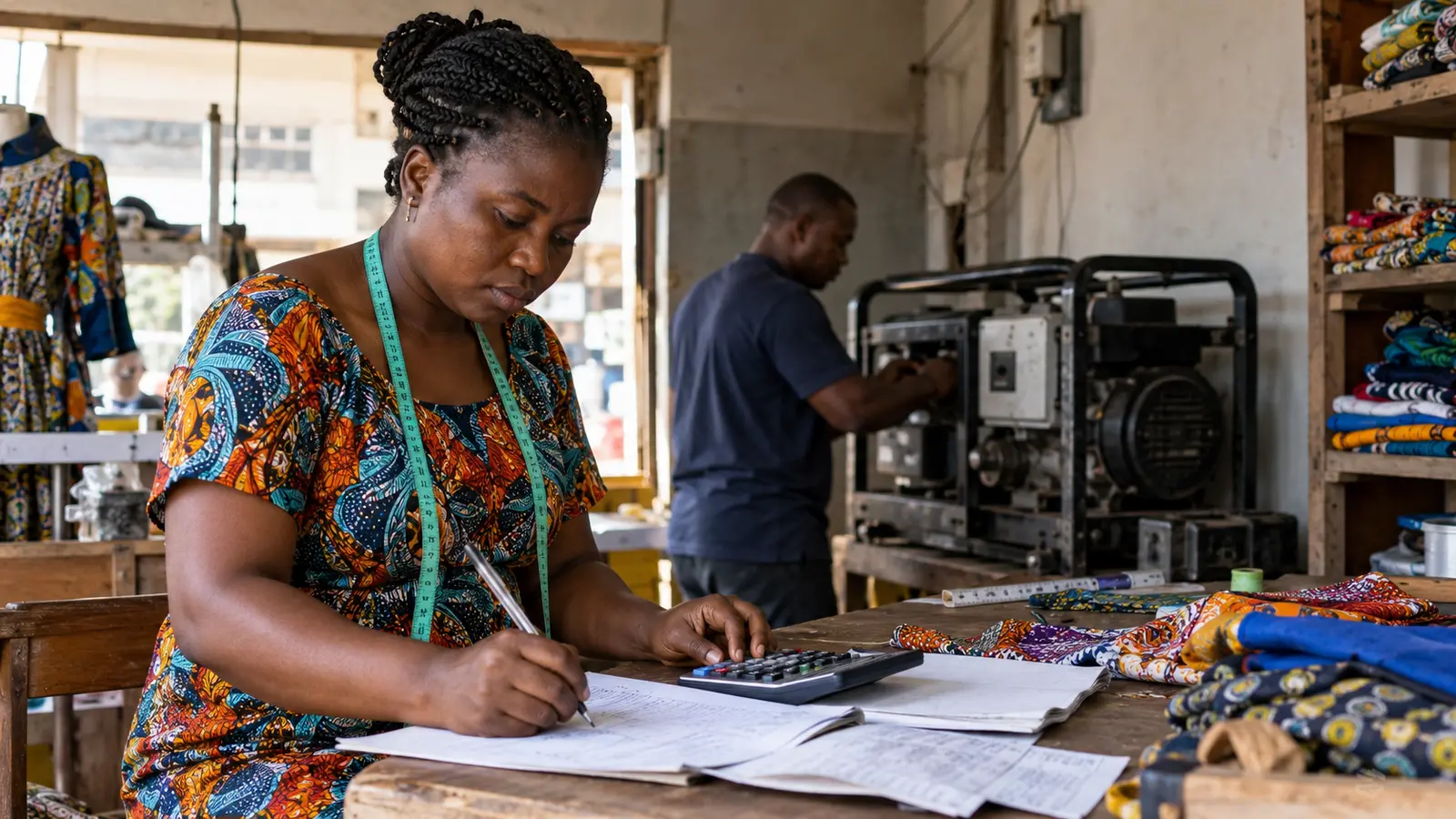
Epic production concentrates many Nigerian crafts: weaving, dyeing, carving, metalwork, leatherwork, hair, drumming, horse handling, set construction and mass choreography. Properly credited commissions can move screen investment into artisan workshops. Careless shortcuts do the reverse, turning sacred or specific objects into generic props.
The boom also raises questions about power. Stories centred only on kings may reproduce court history while leaving farmers, women, migrants, captives and neighbouring peoples outside the frame. Myth permits invention, but invention becomes richer when it recognises whose viewpoint has traditionally been archived and whose has been omitted.
A Yoruba epic earns its scale when spectacle carries consequence. The battlefield must change a household; a crown must burden the person wearing it; an ancestral claim must collide with human desire. When research and character govern the image, the genre becomes more than cultural pageantry—it becomes an argument with history.