Igbo-language cinema should not have to translate itself into English before distributors consider it national. Language carries humour, kinship, hierarchy and moral ambiguity that subtitles can communicate but cannot manufacture. A stronger distribution lane would treat specificity as an audience asset rather than a commercial handicap.
The category itself requires care. Igbo has dialects and communities across Nigeria’s southeast and beyond; a film set in Nsukka should not sound automatically identical to one rooted in Owerri or Onitsha. Writers can choose a broadly accessible register while allowing location, age and class to shape speech. Language supervision protects consistency without flattening difference.
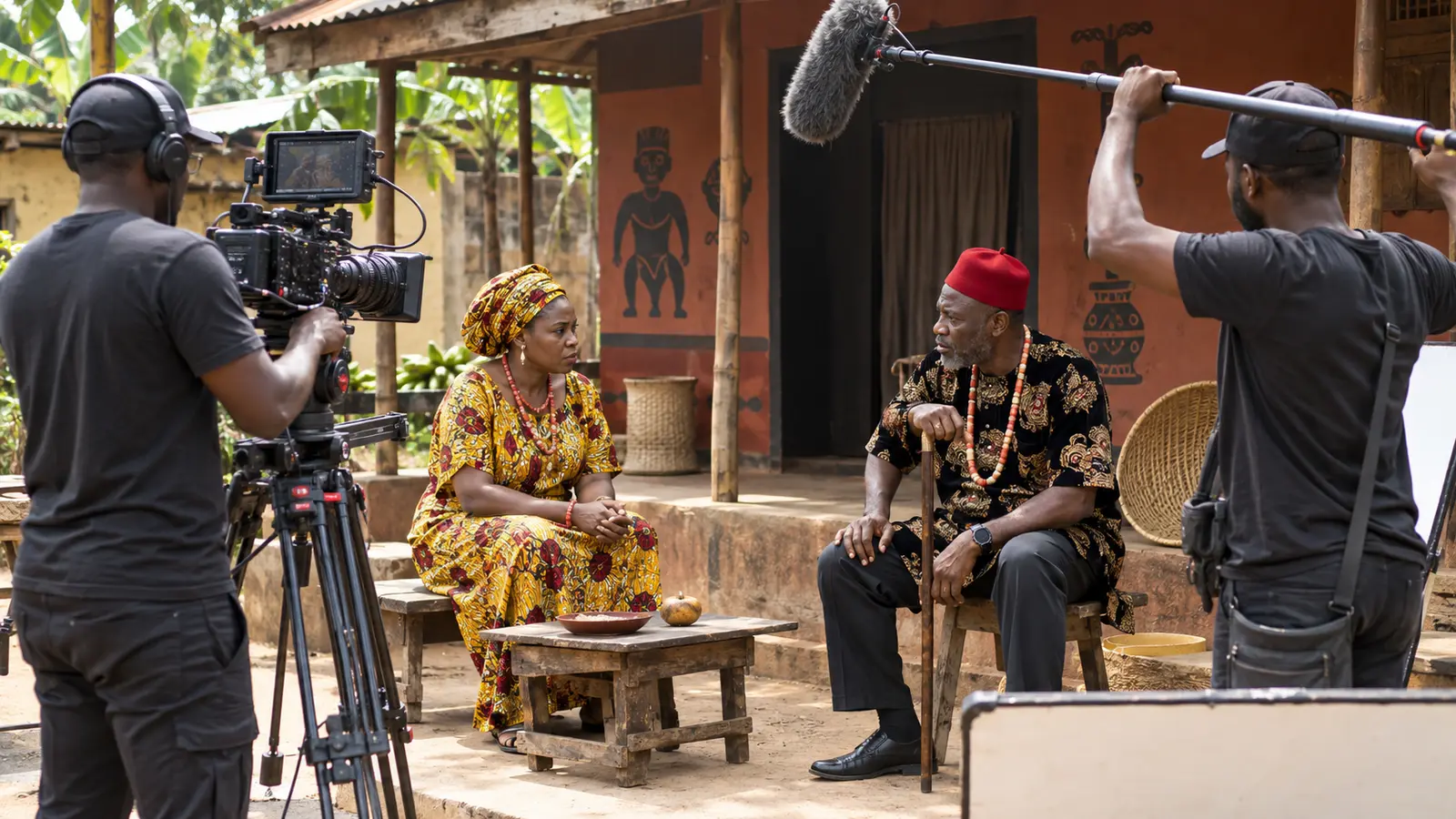
Production can connect actors, writers, musicians and locations to audiences at home and across a large diaspora. Professional subtitles, descriptive metadata and intentional marketing make that connection possible. A poor translation can erase a joke or misstate a proverb as effectively as a bad dub can damage performance.
Cinema chains may see language films as risky, but streaming and community screenings allow demand to be demonstrated. Broadcasters, cultural organisations and investors can fund development without insisting that every story explain Igbo life to an outsider. Rights agreements should keep creators participating when films travel.
Cultural specificity does not make a story small. The most exportable films often know exactly where they stand. An Igbo-language cinema with confident writing and disciplined distribution can give local viewers the pleasure of recognition while inviting others to listen rather than demanding that the characters leave home linguistically.