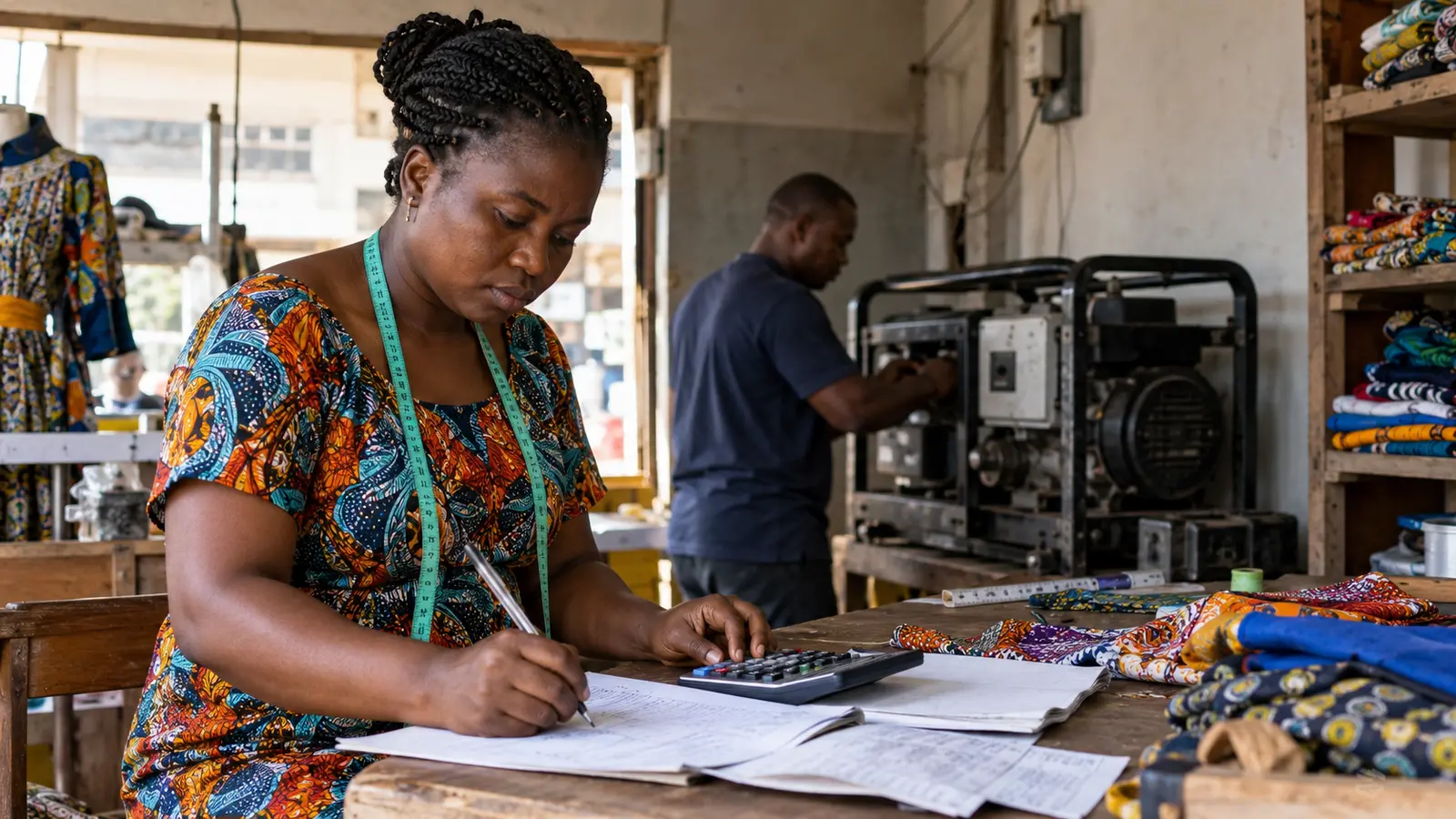
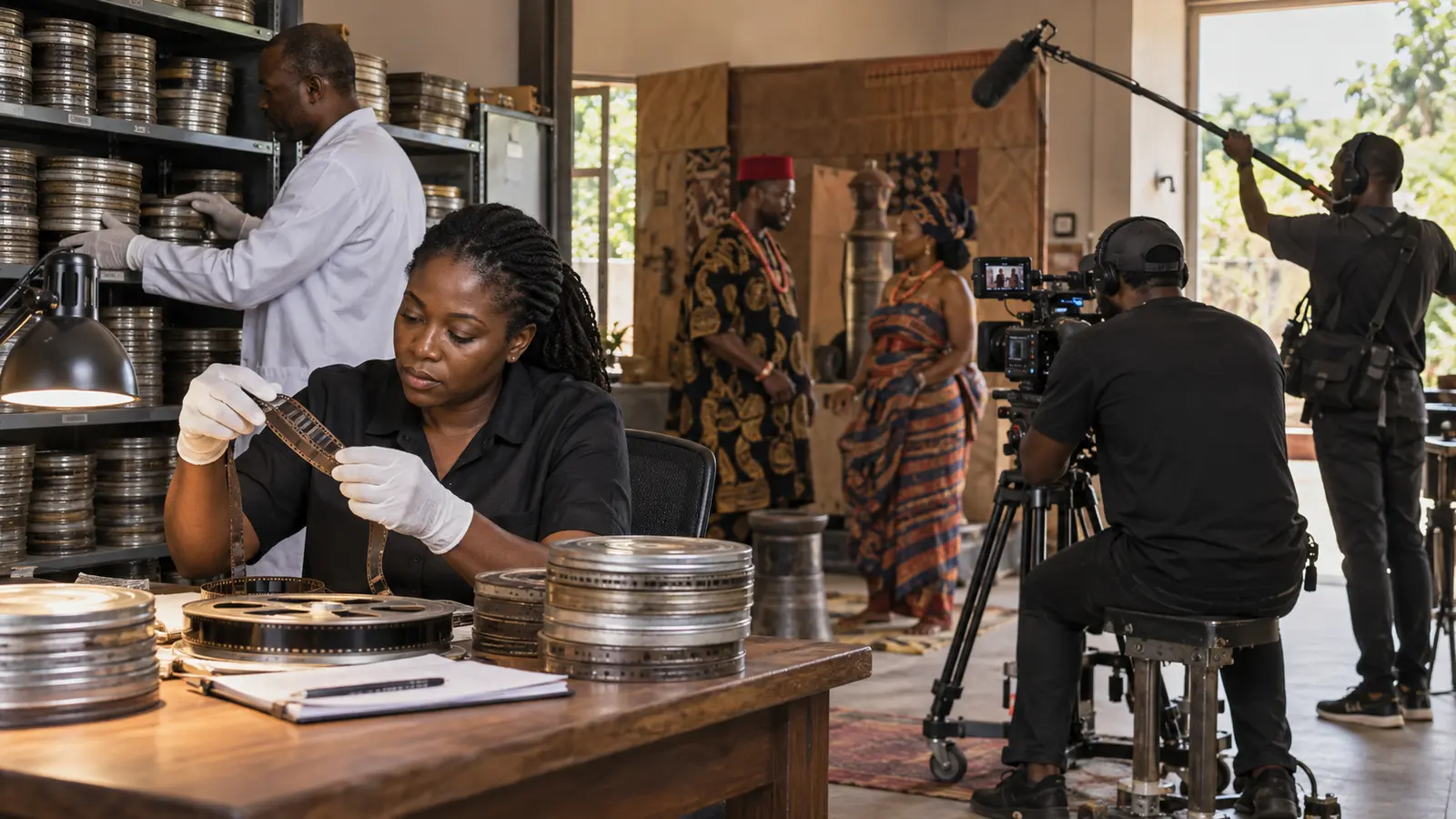
Nollywood’s early video era changed world cinema with tools that were considered temporary: VHS tapes, cassettes, paper contracts and masters stored in offices or homes. Their fragility now threatens the record. If those materials disappear, future viewers will inherit legends about the industry without the films and documents needed to test them.
Preservation begins with inventory. A title needs its best surviving picture and sound element, production year, credits, rights holder, language and physical condition recorded. Tapes must be cleaned and digitised on maintained equipment; files require checksums, multiple storage copies and periodic migration. Uploading one compressed copy is access, not an archive.
Rights are as important as pixels. A restored film cannot circulate responsibly when producers, writers, composers or estates are unknown. Contracts and cue sheets must be preserved beside masters. Interviews, posters, call sheets and reviews help researchers understand how the work was made and received.
This is cultural infrastructure requiring libraries, universities, guilds, broadcasters, private owners and public funding. Commercial platforms can sponsor restoration, but access terms should prevent a corporation from becoming the only door to national memory. Creators need routes to deposit work without surrendering ownership.
An archive gives an industry a long conversation with itself. It allows young filmmakers to study experiments rather than repeat them unknowingly, and families to recover the labour of people omitted from official histories. Saving Nollywood’s past is not nostalgia; it is how the future acquires evidence.