Millions of potential viewers are excluded when a film assumes everyone can hear dialogue, see action, climb stairs or navigate an online player in the same way. Accessibility is not a charitable extra beside Nollywood’s real audience; disabled Nigerians are part of that audience and should be present in the design of cinema from the beginning.
Captions identify speech and meaningful sound, while subtitles merely translate dialogue. Audio description conveys visual information between lines. Accessible venues add step-free routes, usable toilets, clear signage, seating choices and trained staff. Streaming interfaces need keyboard navigation, readable contrast and controls compatible with assistive technology.
Planning early protects the film. Scripts and edit timelines can reserve space for description; post-production teams can create accurate caption files from final sound; producers can include accessible deliverables in contracts. Retrofitting after release costs more and often produces rushed language that fails the performance.
The business case is direct: accessible versions reach more homes, schools, airlines, festivals and international buyers. Yet the moral argument stands without a revenue forecast. Culture is a public conversation, and excluding people from it reinforces the mistaken idea that disability is marginal.
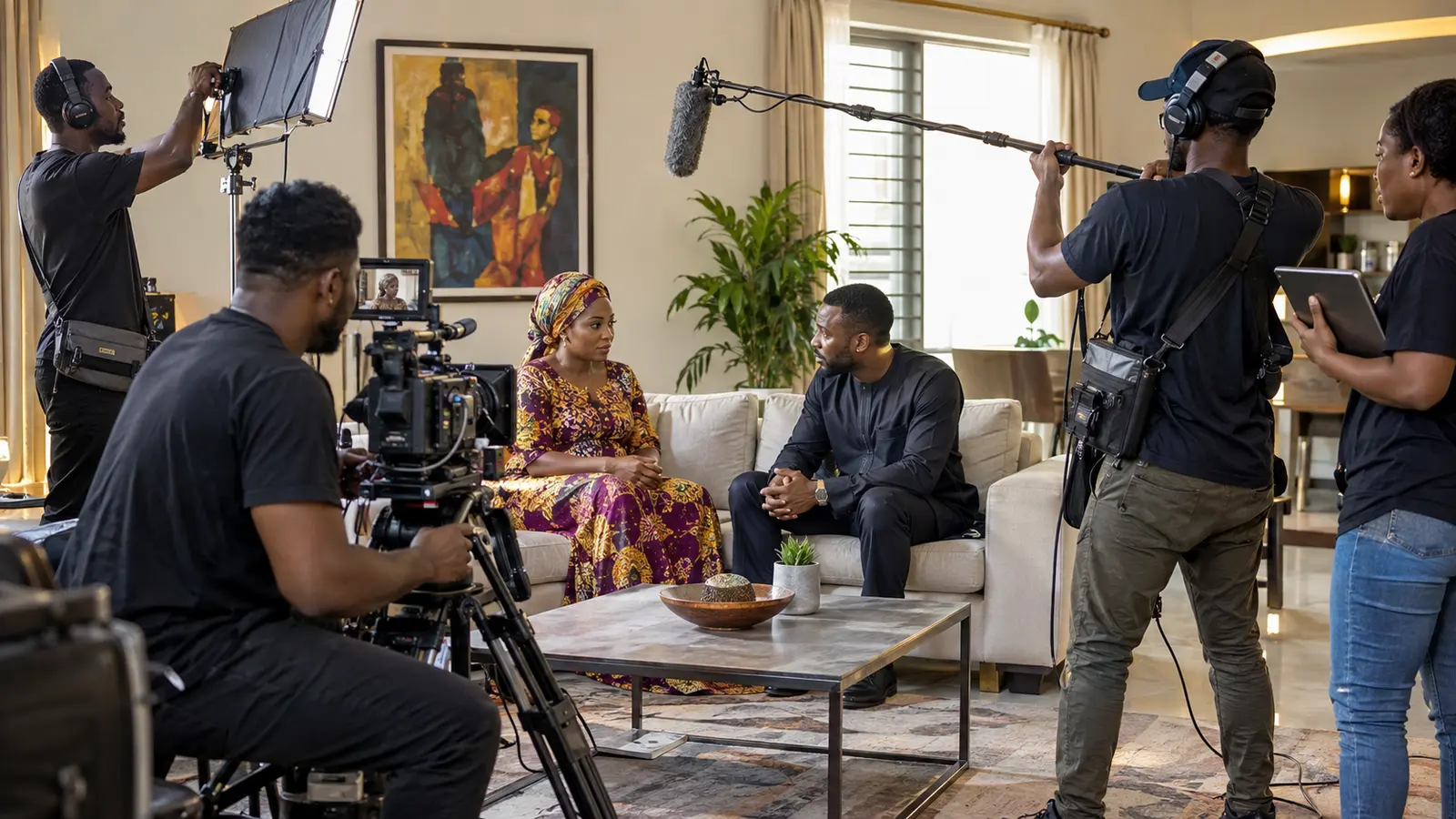
Nollywood can lead because its distribution has always been inventive. The same industry that moved from markets to discs, television, cinemas and phones can make access travel with the film. Inclusion becomes real when it appears in budgets, credits and every master delivered—not only in an awareness-day speech.