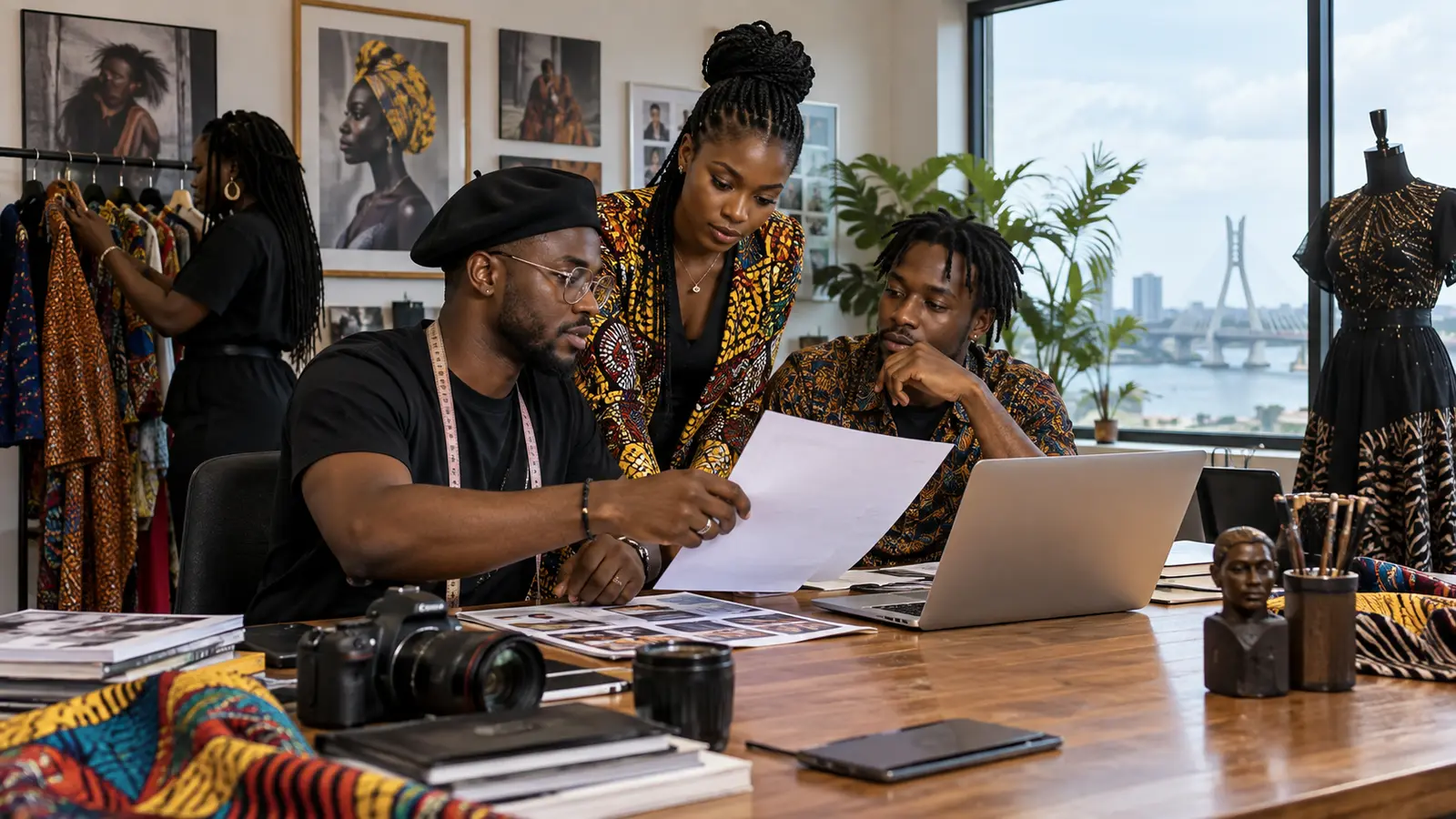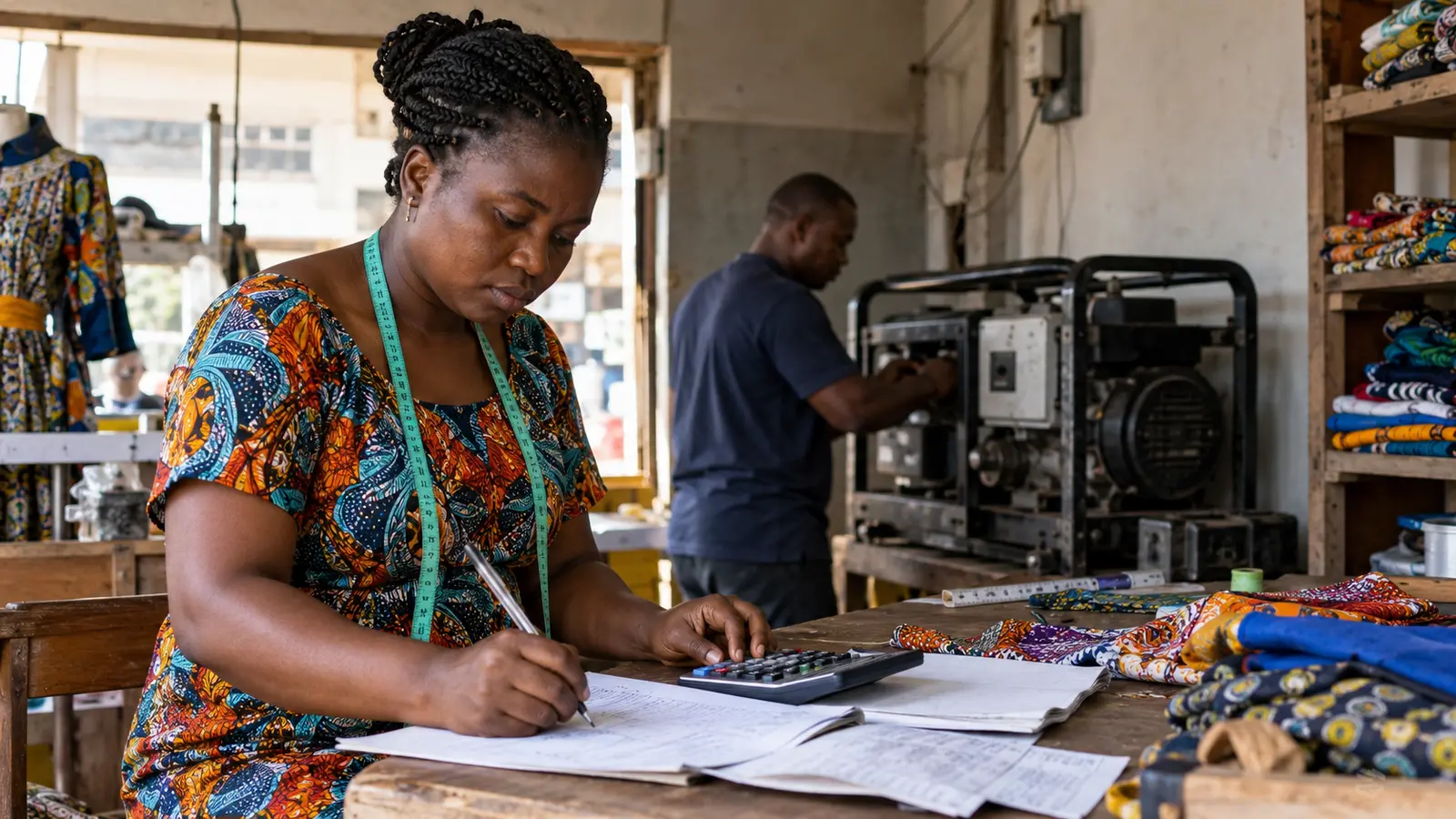
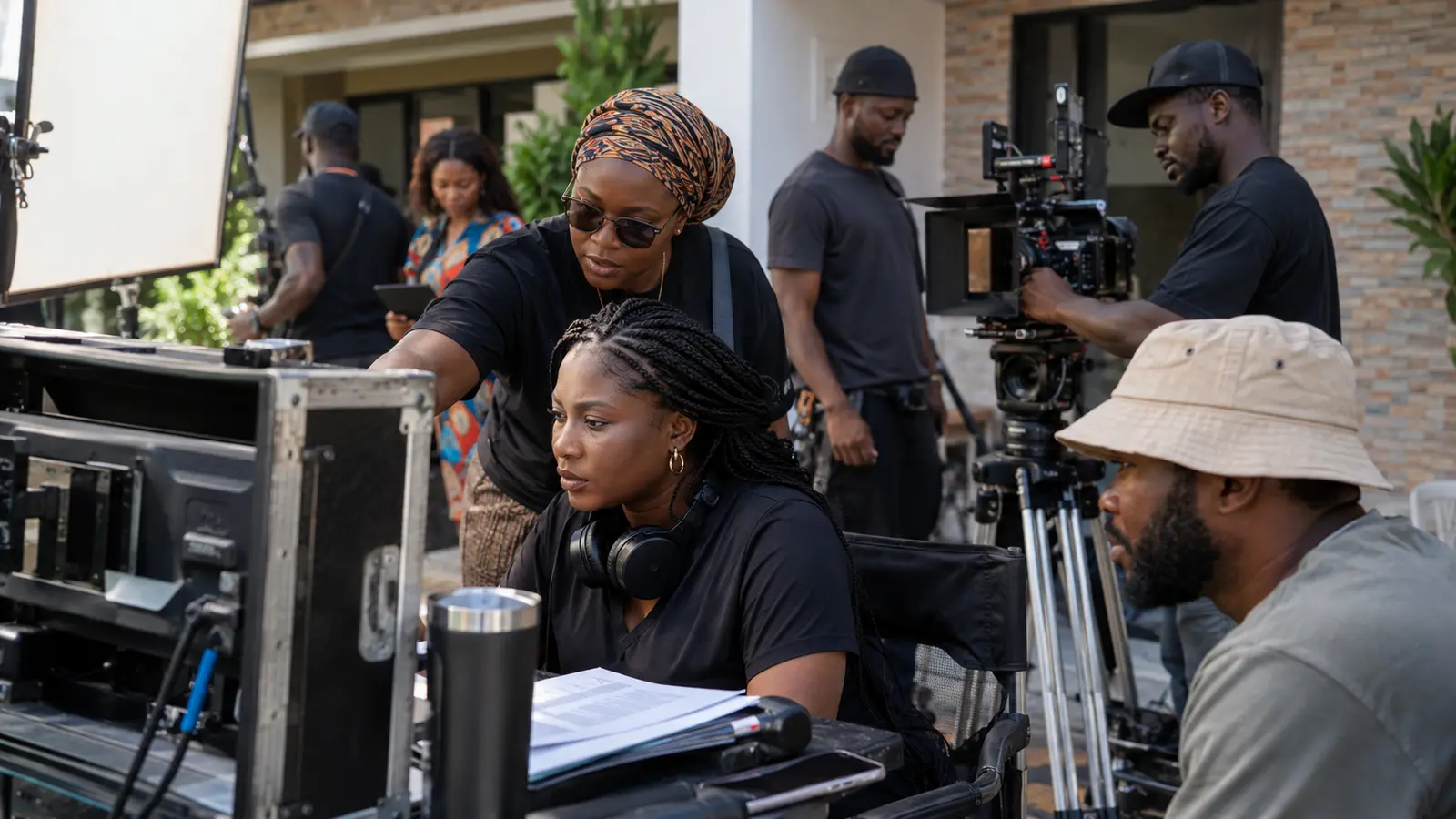
Women producers have long done more than appear in Nollywood’s progress story: they raise finance, assemble crews, negotiate stars, supervise edits and carry risk when projects fail. Their growing visibility matters because producing determines which stories become possible and who receives authority to tell them.
The role combines artistic judgement with relentless administration. A producer develops material, builds a budget, secures rights, hires department heads, solves crises and designs the route to audiences. Success is not simply a prominent credit; it is the power to approve spending, own intellectual property and choose the next project.
Gender barriers persist in access to capital, informal networks and assumptions about leadership. Women may be praised for resilience while expected to absorb harassment, unpaid emotional labour or smaller budgets. Mentorship helps, but institutions must examine who controls funds and whose failures are allowed to be ordinary.
Ownership changes the frame. Producers can expand roles for women beyond victim, wife or decorative success, and create safer hiring practices throughout a company. Yet women are not a single political category; critical evaluation should apply to their labour conditions and stories as rigorously as to men’s.
The transformation is complete only when women’s leadership stops being treated as an inspiring exception. A healthy industry gives skilled producers repeated access to capital, distribution and failure without exile. Representation on screen begins with decision-making power before the camera turns.