
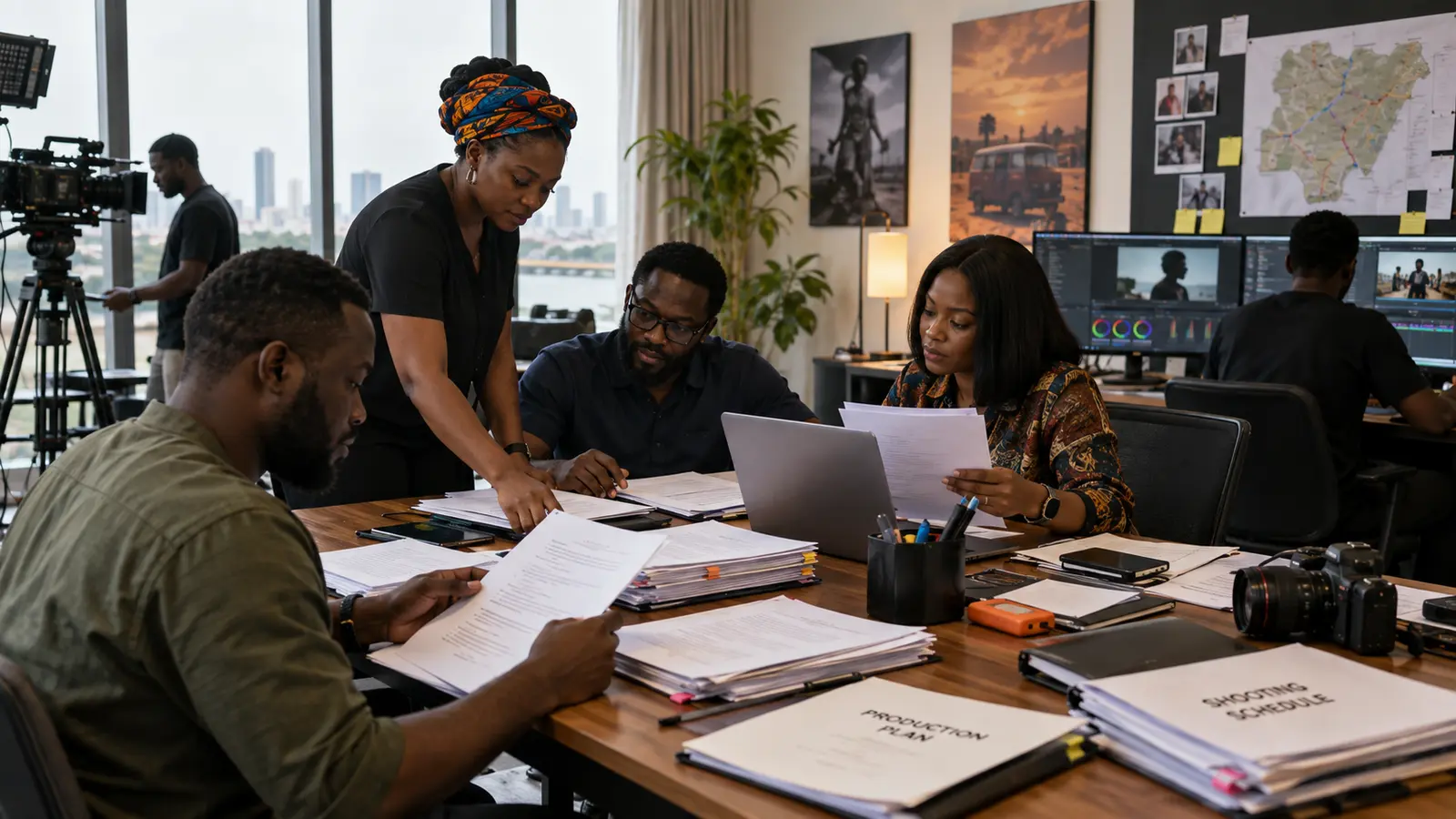
A film may be creatively finished and commercially unusable. An uncleared song, logo, location, photograph or life story can delay a platform deal after money has already been spent. Legal clearance is therefore part of production design and distribution, not a lawyer’s obstruction at the door of success.
Producers should map rights during development: screenplay ownership, underlying books, music composition and recording, actor releases, artwork, trademarks, archive clips and location permissions. Each document must identify territory, duration, media and payment. Verbal familiarity is not a substitute when the film crosses borders.
Music is a frequent trap because one track may involve separate rights in composition and master recording. Biographical drama raises privacy and defamation questions even when events were discussed publicly. Errors-and-omissions insurers and distributors will ask for evidence, not assurances about good intentions.
Early clearance improves creative choice. Writers can replace an unaffordable song before it structures a scene; art departments can avoid problematic branding; archive researchers can budget alternatives. It also protects Nigerian creators from signing away rights through vague agreements.
Paperwork decides how far a film travels because markets run on transferable permission. A clear chain of title turns imagination into an asset that can be licensed, financed and inherited. The contract is not the enemy of art; uncertainty is.