Restoring a Nigerian classic is not the same as making an old image unnaturally smooth. The task is to recover the closest responsible version of picture and sound while preserving grain, performance and the material history of the original. Every intervention should be documented.
Archivists first locate and compare surviving negatives, prints, tapes or digital files. Specialists clean and scan them, stabilise frames, repair damage and correct sound without erasing texture. Colour decisions require references and people who knew the production; guessing can turn restoration into revision.
Rights and credits must travel with the repaired image. Producers, filmmakers, musicians and estates need to be identified, while censorship versions and release histories are recorded. A platform cannot claim cultural rescue while withholding the restored film from scholars, families or Nigerian audiences.
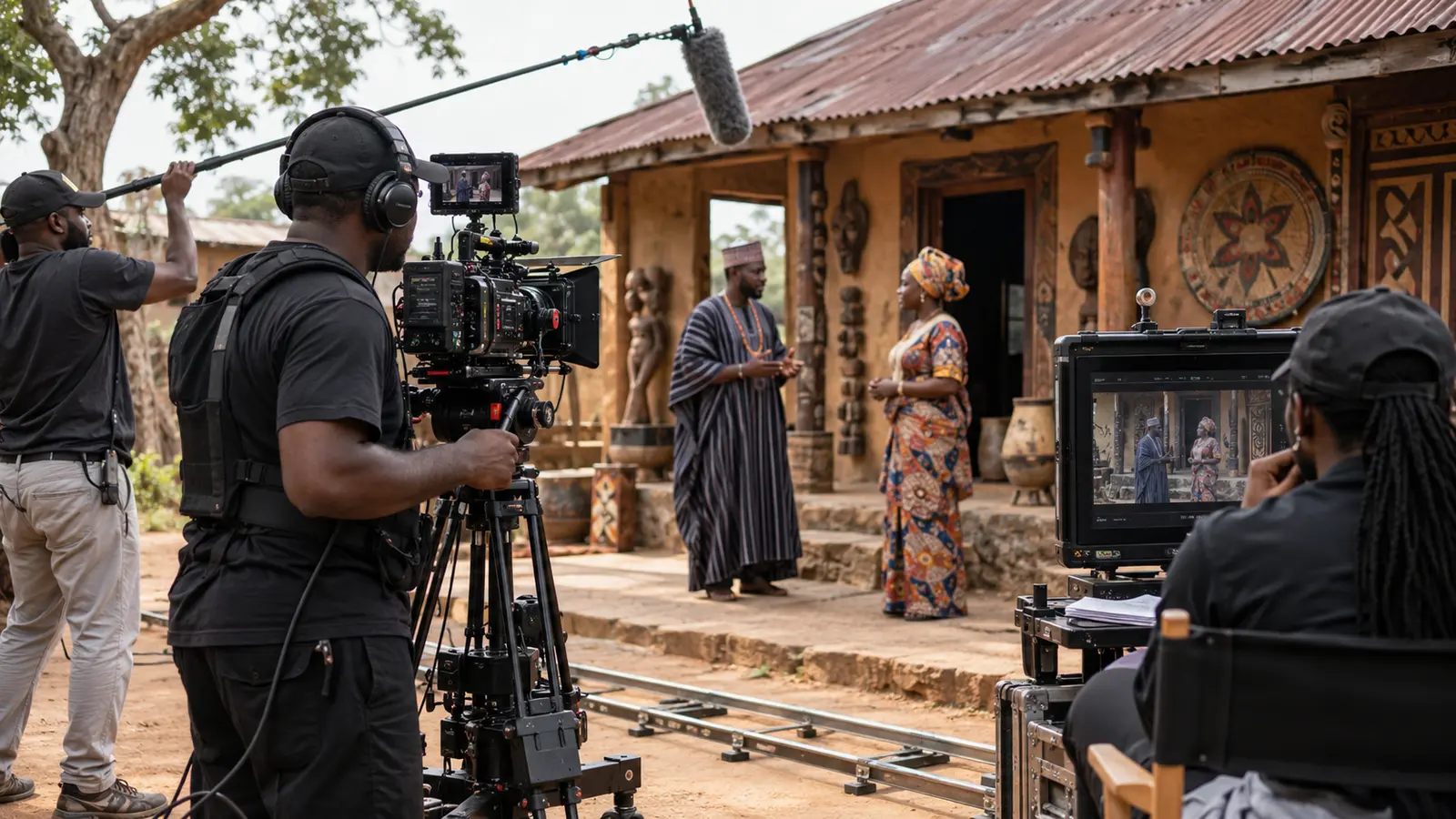
Restoration creates work in archives, laboratories, research, subtitling and exhibition. Public-private finance can support it, but priorities should extend beyond commercially famous titles to regional cinema, newsreels and works by people excluded from established canons.
A restored classic lets generations occupy the same room. It proves that Nigerian screen history did not begin with the latest streaming deal and allows contemporary artists to argue with predecessors in full detail. Repairing the image is cultural infrastructure because memory also needs maintenance.