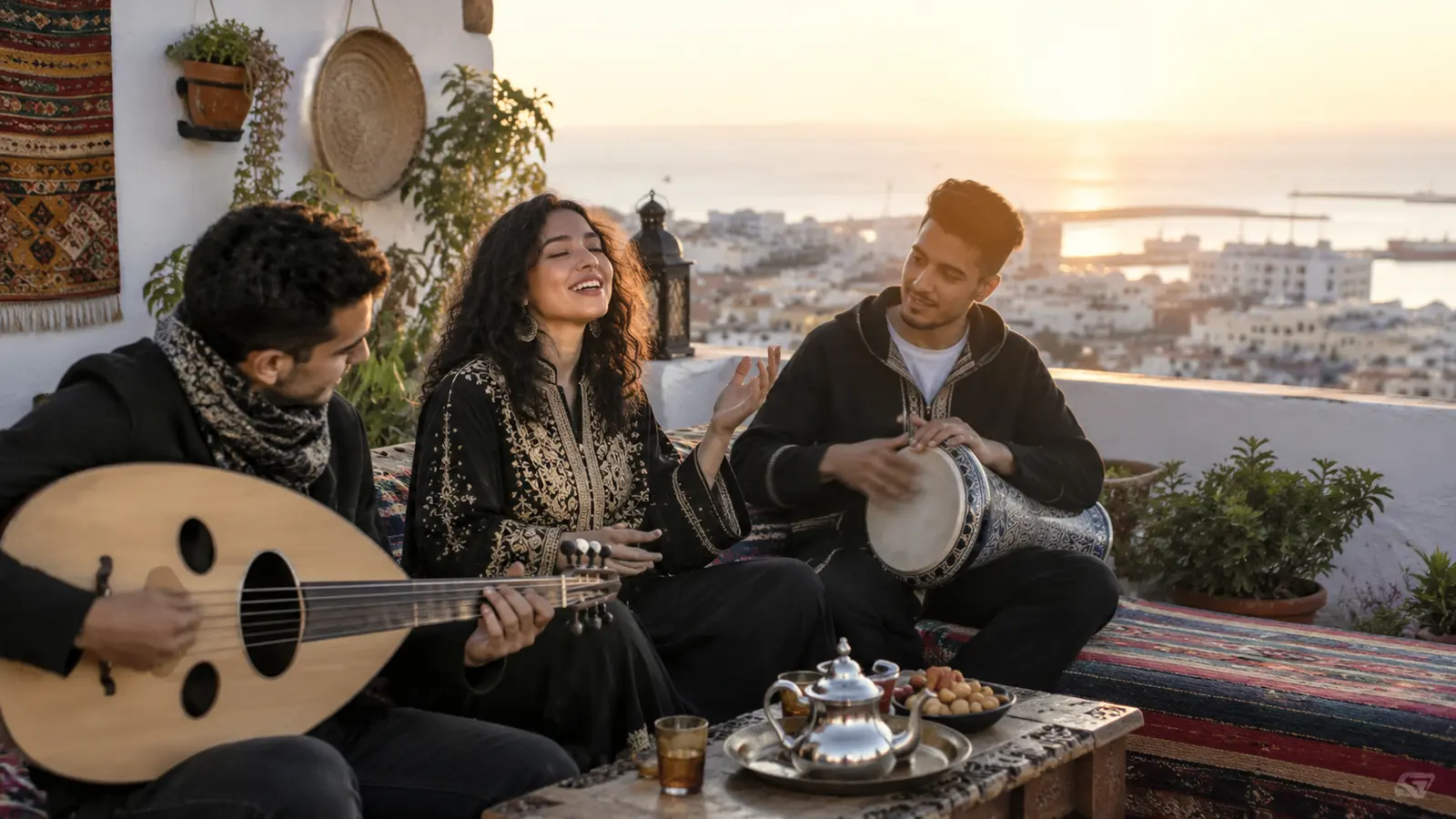
Raï emerged from western Algeria, especially around Oran and Sidi Bel Abbès, drawing on rural song, urban nightlife, wedding performance and new instruments. The word is associated with opinion or counsel; singers used the form to speak about love, frustration and social constraint in direct language.
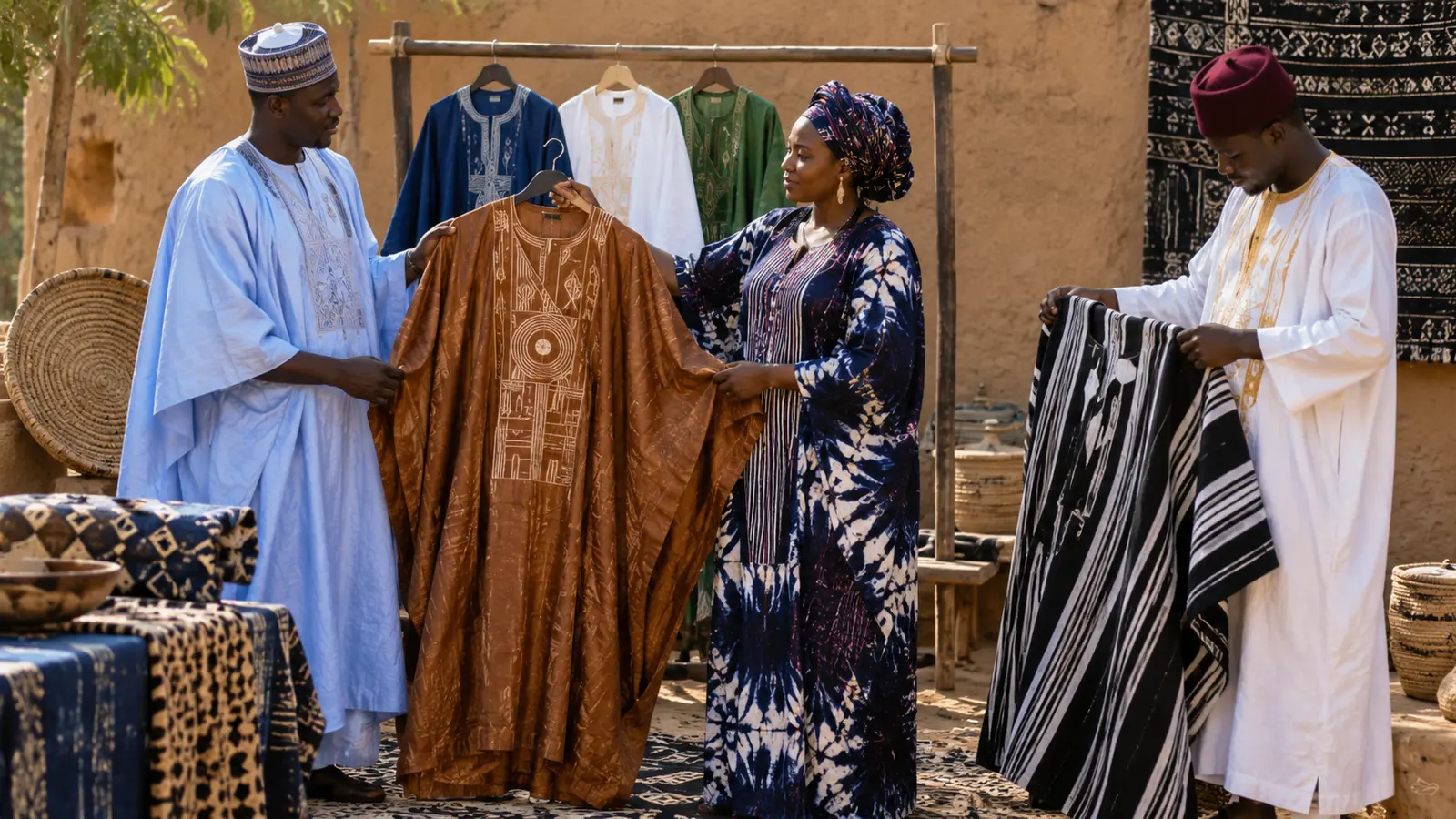
Style followed sound. Performers negotiated between local dress, suits, leather jackets, club fashion and the visual language of cassettes, television and international touring. There was never one official raï uniform: clothing marked generation, class, gender and the changing places where the music could be heard.
The economy moved through wedding bands, cabarets, cassette traders, studios, promoters and diaspora venues in France and elsewhere. Informal circulation built enormous audiences but often weakened contracts, royalties and archives, while political violence exposed musicians to grave risk.
UNESCO recognition confirms raï’s cultural importance, but preservation should not polish away its arguments. Supporting musicians means safeguarding recordings, teaching histories, paying rights and allowing contemporary performers the same freedom to address their world that earlier singers claimed.