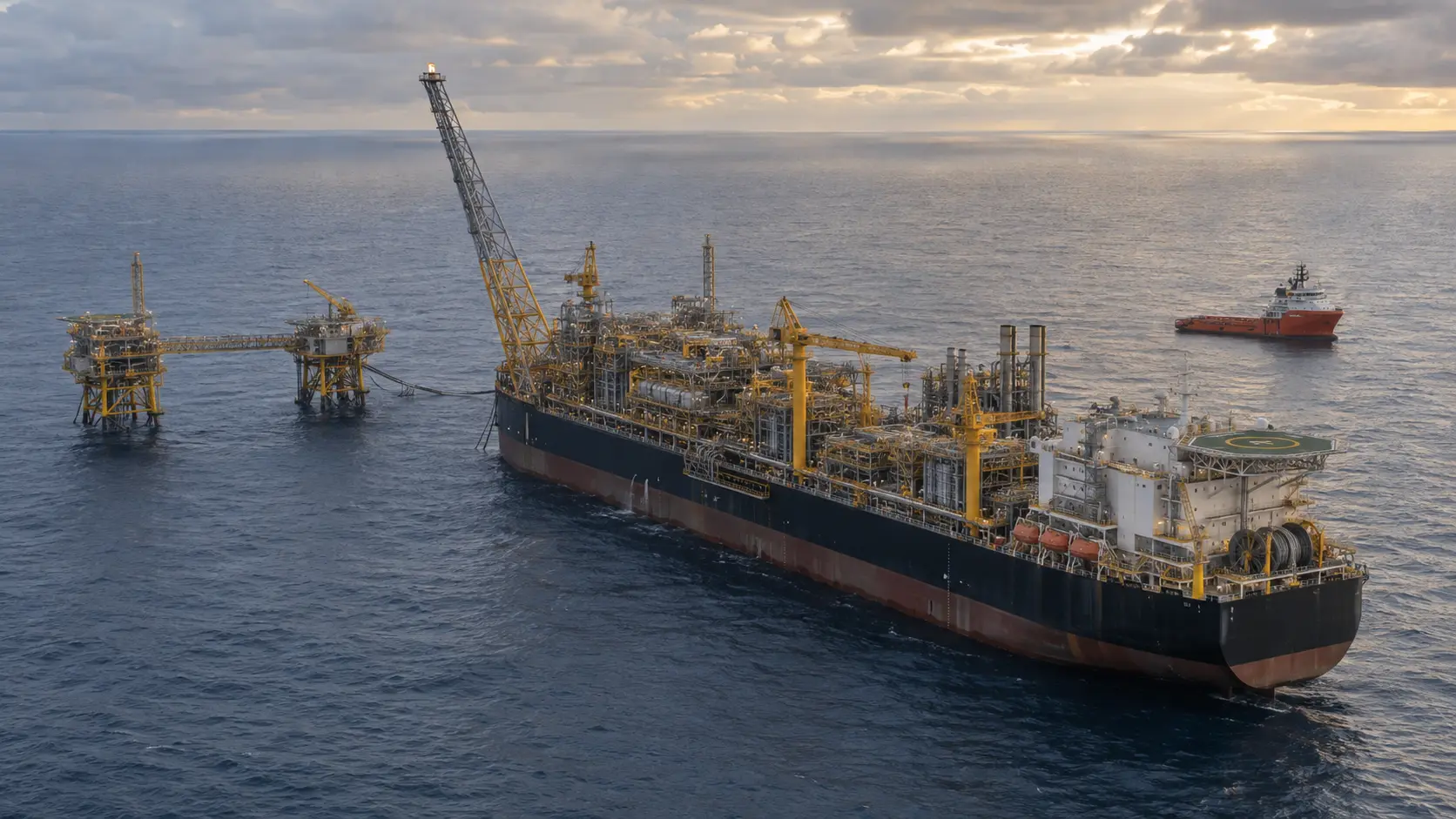
Brent crude remained above $100 a barrel in early trading on Thursday, 10 September, after settling at $101.21 on Wednesday. Reuters reported the benchmark at about $101.10 at 02:56 GMT, while the Associated Press said Wednesday's close was the first return to triple digits since July. Those are market prices at specific times, not a guarantee that crude will remain above $100.
The latest rise followed renewed attacks on ships and energy infrastructure around the Persian Gulf and Red Sea. Traffic through the Strait of Hormuz remains far below its pre-war level, according to the reporting, while threats to alternative export routes have added another layer of supply risk. The price move therefore reflects both barrels actually missing from the market and a risk premium for what traders fear may happen next.
For Nigeria, the surge creates a familiar two-sided calculation. The country exports crude, so a higher selling price can increase foreign-exchange inflows, royalties and petroleum-tax receipts. But households and businesses buy petrol, diesel, aviation fuel and other products whose costs respond to international crude and refined-product markets, logistics and the naira exchange rate.
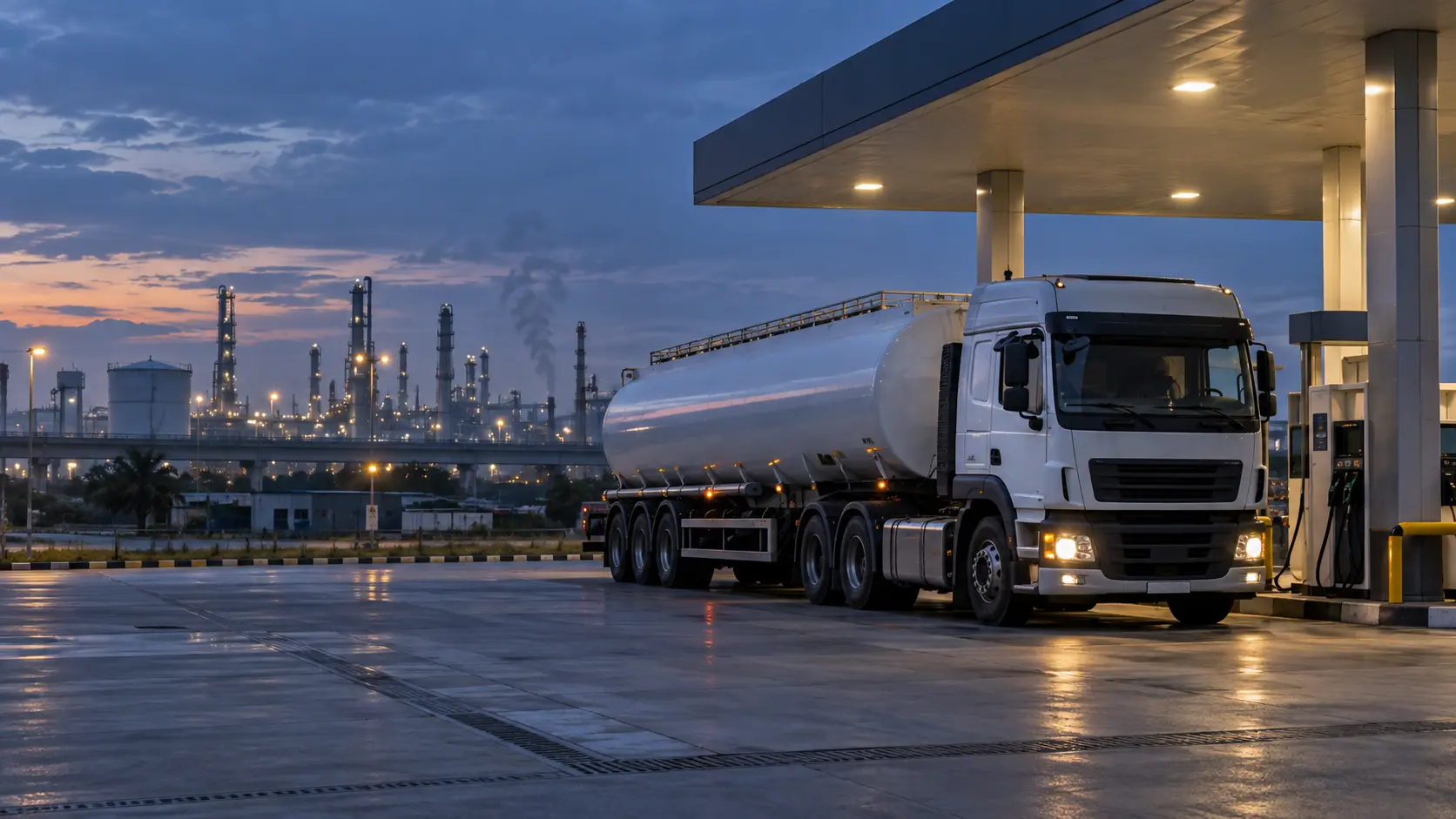
Nigeria's retail consequence is still developing. Vanguard reported on 10 September that Joseph Ehimen, the Lagos State chairman of the Petroleum Products Retail Outlets Owners Association of Nigeria, expects marketers to adjust pump prices after their next purchases. That is an industry warning about replacement costs—not an official nationwide price announcement and not proof that every station has already changed its price.
The latest shock is arriving after a steep increase already felt by consumers. The Associated Press, citing the Global Petrol Prices tracker, reported that Nigerian diesel prices were more than 90% higher and petrol prices nearly 58% higher than at the start of the U.S.-Iran war. Those percentages come from an external tracker rather than Nigeria's official monthly retail-price survey, so they should be read as a cross-country market comparison, not a new government statistic.
Higher crude does not automatically translate into a full fiscal windfall. Vanguard, citing OPEC's August market report, said Nigeria's crude output excluding condensates fell to about 1.44 million barrels a day in July from 1.51 million in June, roughly 60,000 barrels a day below the implied target it used for comparison. Revenue depends on how many exportable barrels Nigeria actually produces, the terms attached to those barrels and how much of the proceeds reaches public accounts.
The newest official U.S. Energy Information Administration outlook adds an important caution. Released on 9 September but based on market inputs completed on 3 September, it forecasts Brent averaging about $90 in the second half of 2026 and $74 in 2027 as flows and inventories recover. The agency explicitly says its model does not include events after 3 September, so the forecast is a scenario built on earlier information—not a prediction that overrides this week's attacks or prices.
The immediate Nigerian risk runs through transport and production. Diesel powers trucks, farm equipment and many private generators; petrol affects daily commuting and distribution; jet fuel influences air travel. If elevated wholesale costs persist, businesses may pass part of the increase into freight, food, manufactured goods and services, adding inflation pressure even if higher crude export earnings support government revenue.
The next evidence to watch is concrete: published depot and pump-price changes, official regulator or supplier notices, Nigeria's production data, the naira's response and whether Brent holds above $100 for more than a short burst. One market close and one early-session quotation establish the price milestone, but they do not establish the size or timing of any Nigerian retail adjustment.
The policy test is whether Nigeria can capture the upside without allowing the downside to spread unchecked through the economy. That means improving production reliability, increasing transparent domestic refining and product supply, protecting competition and explaining any intervention clearly. Until actual retail changes are documented, the accurate headline is price pressure—not a confirmed new national pump price.