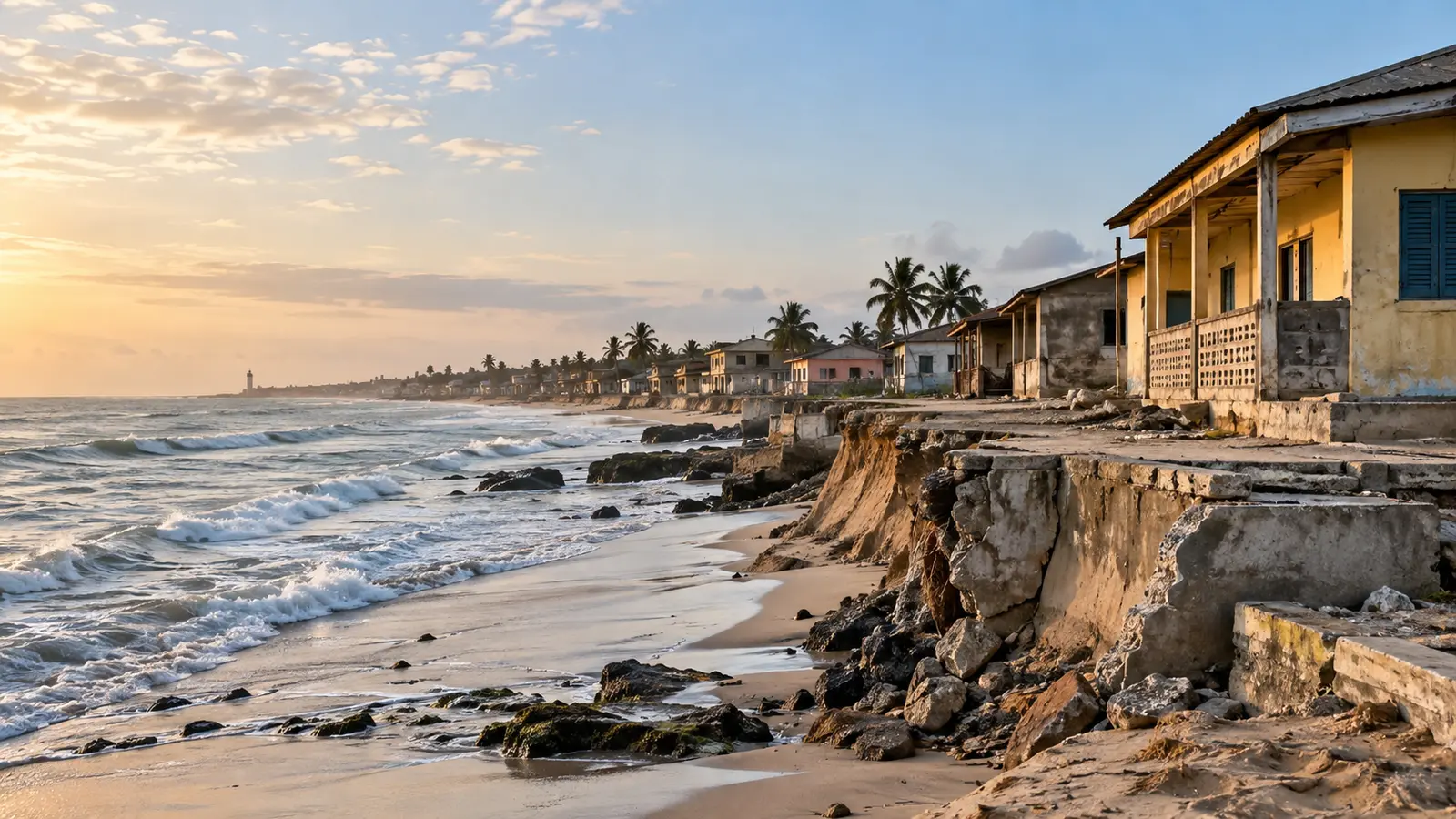
Ghana’s illegal small-scale mining crisis is no longer confined to pits and muddy inland rivers. Polluted water carrying sediment and hazardous substances flows through estuaries toward the Atlantic, placing coastal habitats and fishing livelihoods under pressure.
The risk is especially serious around Ghana’s first marine protected area in the Greater Cape Three Points enclave. A protected zone can limit damaging activity at sea, but it cannot stop pollution arriving through the Butre, Nyan and other connected river systems.
The policy problem crosses institutional boundaries: mining enforcement, water management, fisheries and coastal conservation must operate as one system. Without that coordination, communities can lose clean water upstream and productive fishing grounds downstream while public restoration spending delivers less than it should.