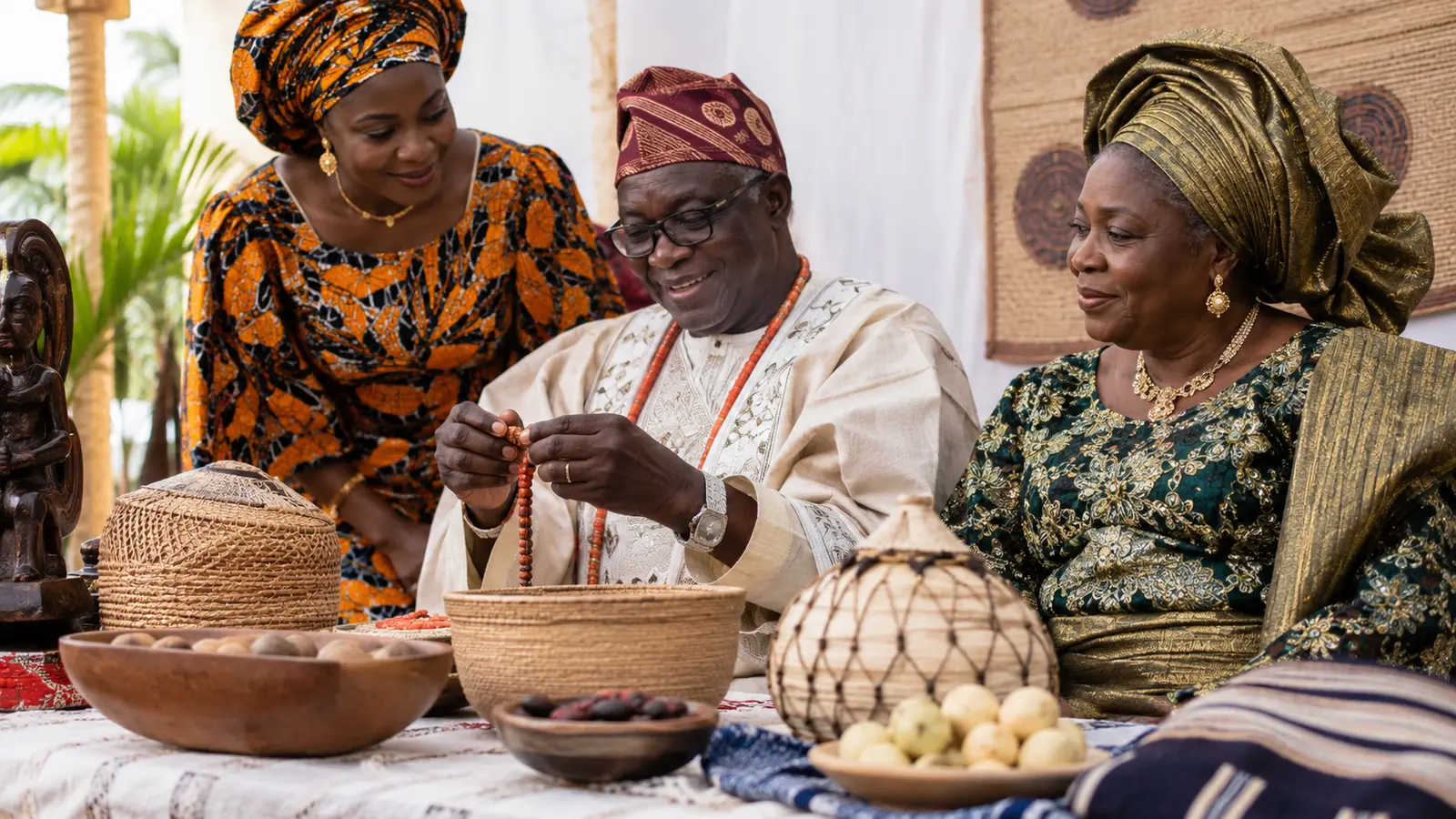
Nigeria has no single naming ceremony. Yoruba ìsomolórúko, Igbo child-naming practices, Hausa Muslim suna and the customs of hundreds of other communities differ in timing, language, religion and who has authority to announce a name. Even neighbours may combine ancestral, Christian, Muslim and contemporary family choices differently.
A name may record circumstances of birth, lineage, gratitude, aspiration, market day, senior relatives or faith. Among Yoruba families, symbolic tastes such as water, honey, salt or kola may be presented with prayers in some homes; Muslim families may connect naming with sacrifice, prayer and charity. These are examples, not a national checklist.
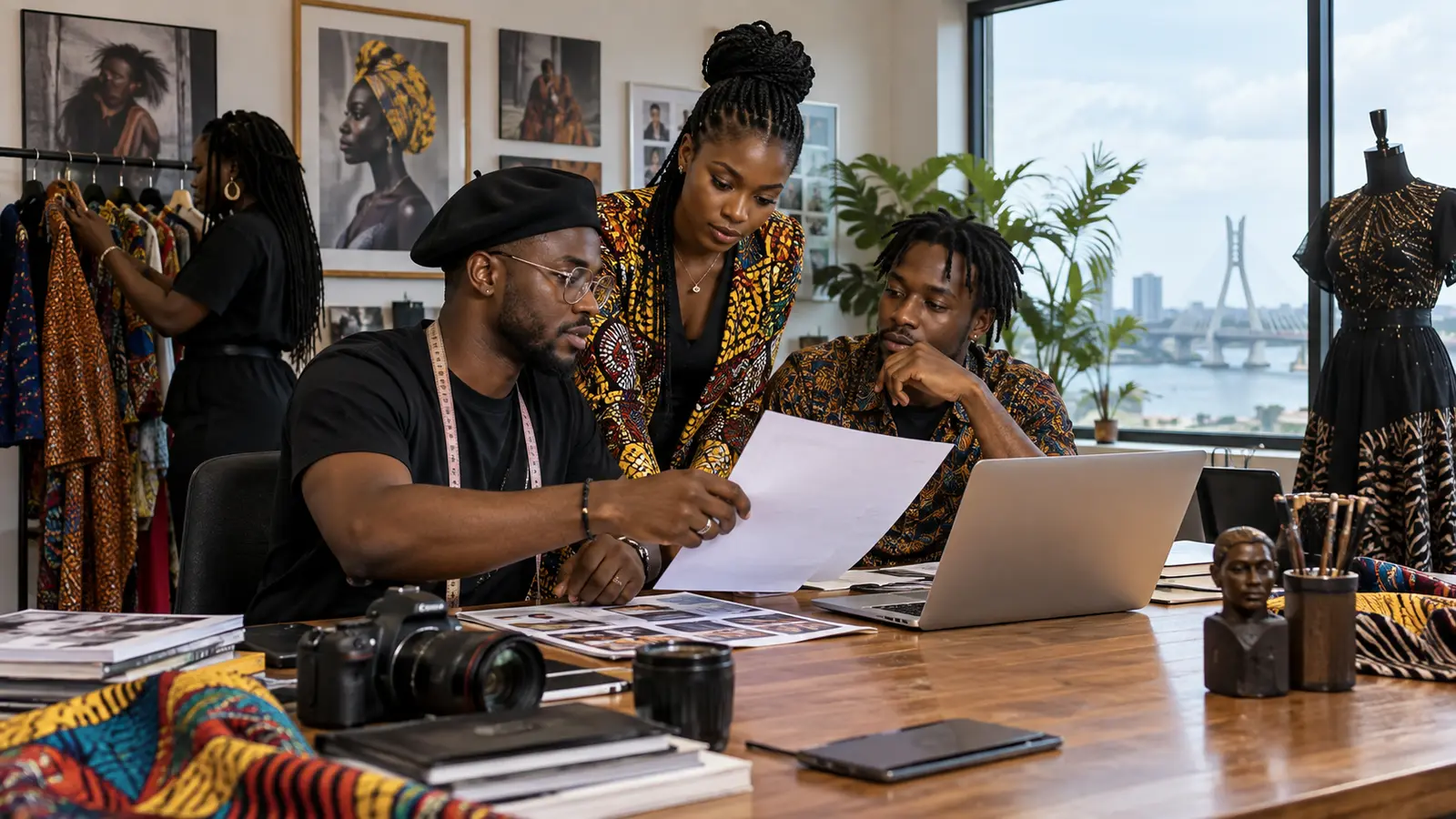
The ceremony activates a practical economy around food, clothing, photography, musicians, decorators, transport and gifts. It also raises questions of documentation: spelling and name order on birth records, passports and school forms can affect a child for decades.
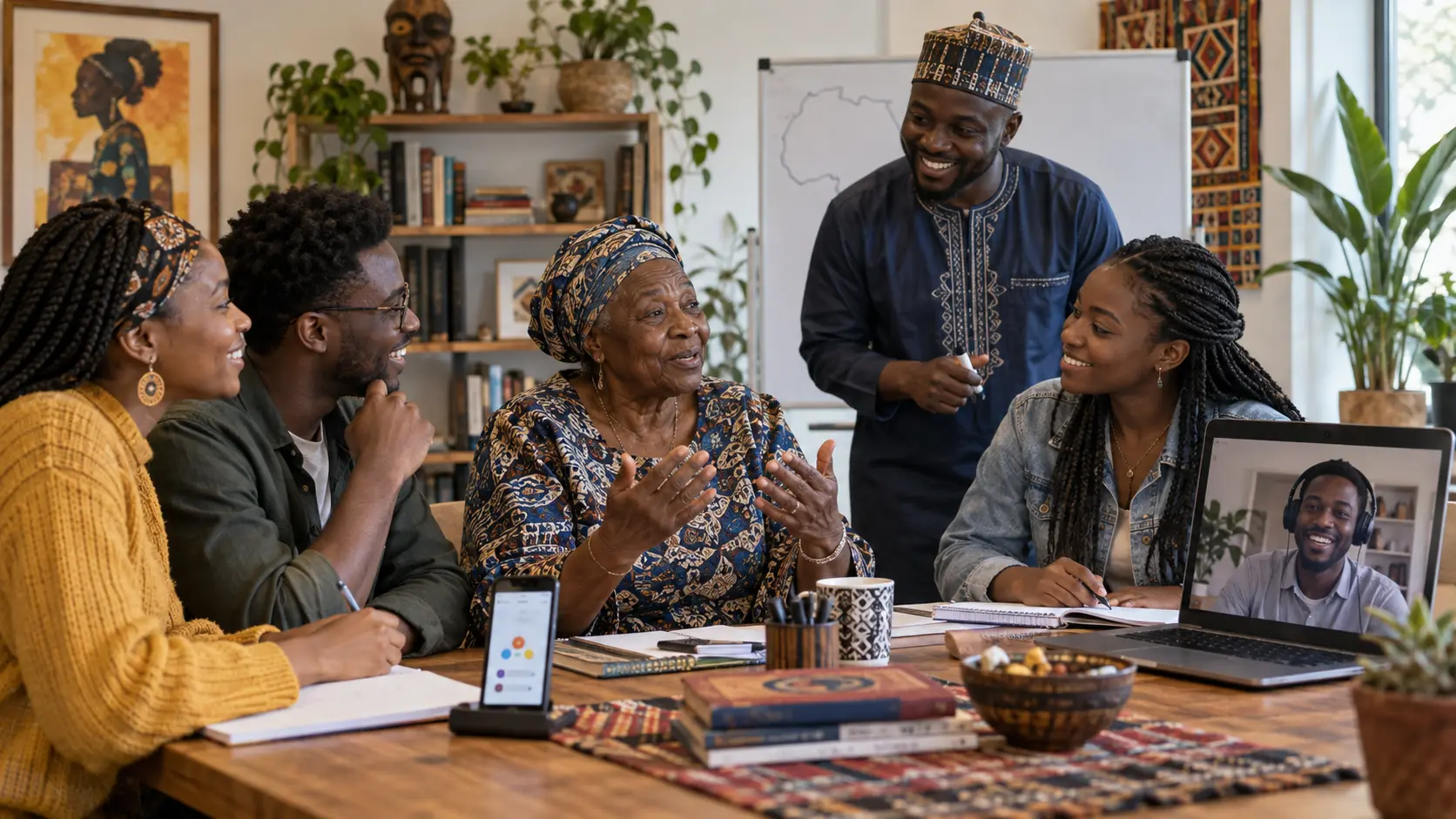
Migration and intermarriage are changing format, not ending meaning. Video calls bring relatives into ceremonies abroad; couples negotiate surnames and languages; shorter events fit urban work. Accuracy begins by asking the family what its chosen name means instead of assigning a convenient translation.