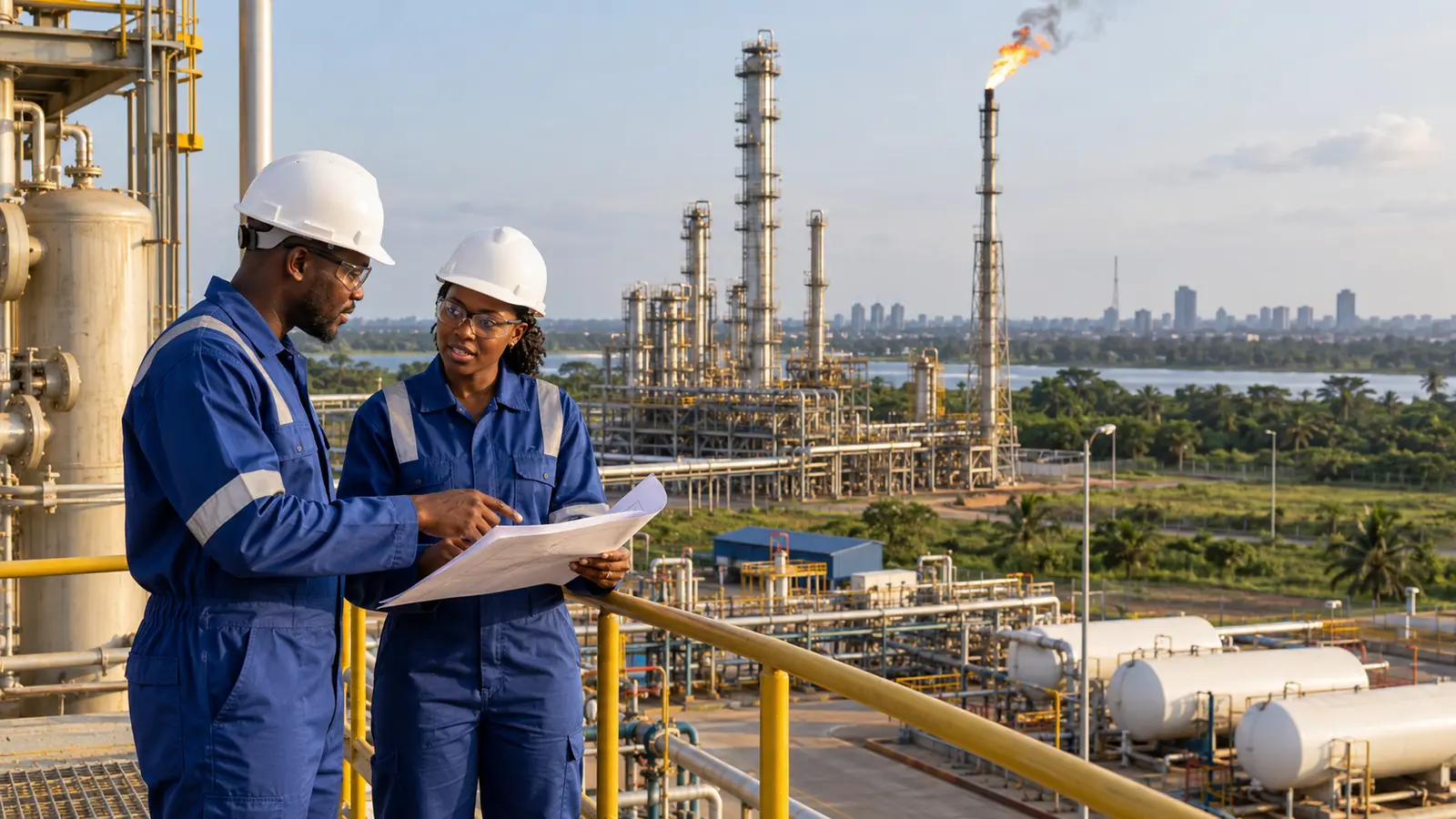
Nigeria’s gas strategy must reconcile industry with climate reality because the commercial decision reaches far beyond a single announcement. Gas is promoted as fuel for power and manufacturing while emissions and community impacts remain contested.
Reliable electricity matters, but projects must disclose methane, pricing and who receives service.
Nigeria argues that gas can replace dirtier fuels, supply fertiliser and stabilise electricity. That case is strongest where projects displace diesel and biomass rather than merely add export capacity.
Methane leakage can erase part of gas’s climate advantage, so measurement, repair and public reporting belong inside project economics. Flaring reduction should be verified at facilities, not announced as aspiration.
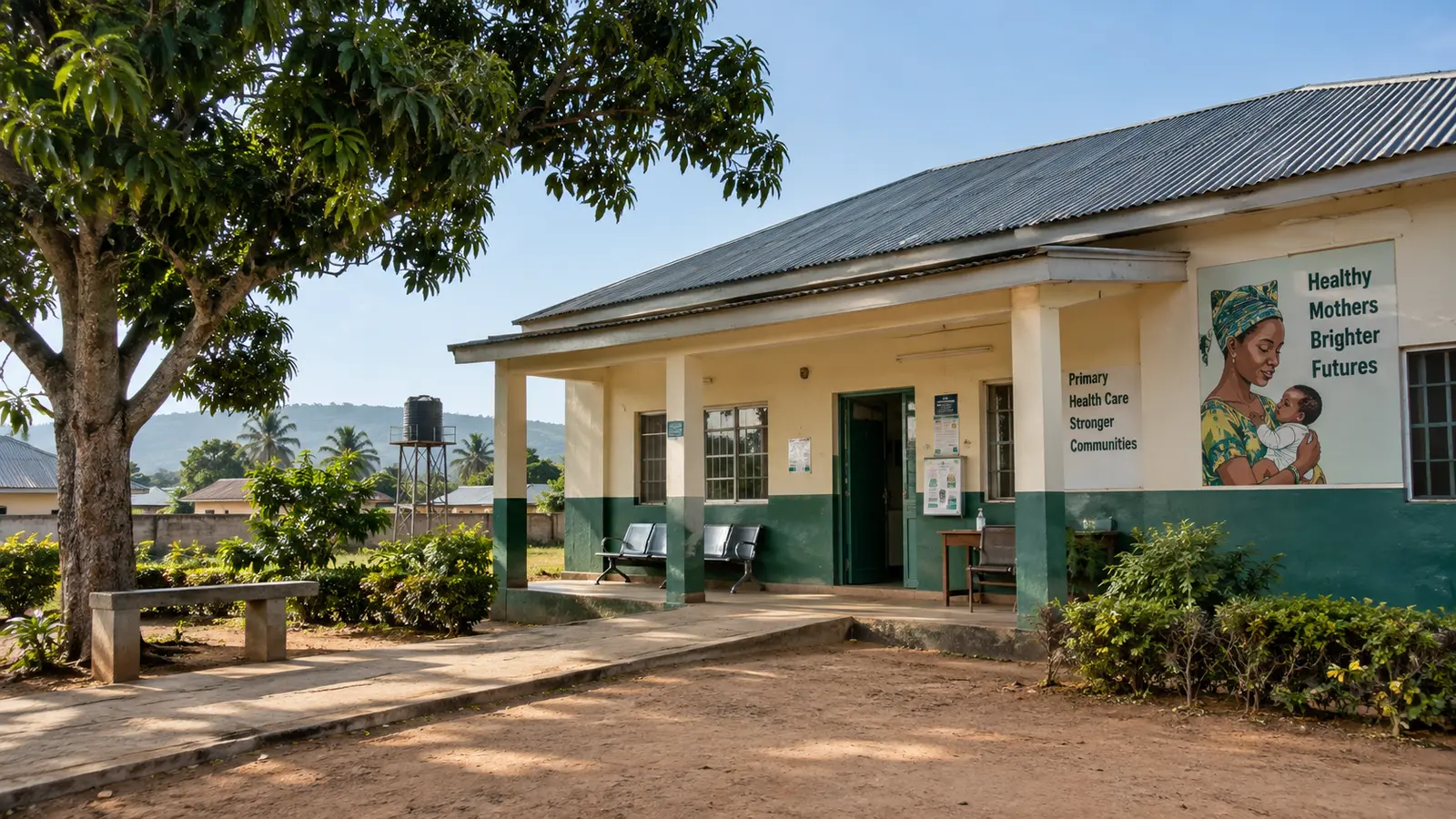
Communities in producing areas need enforceable benefits, remediation and safety, while consumers need transparent tariffs and reliable service. A pipeline passing a town is not energy access if households and factories remain on generators.
A transition earns legitimacy through measurable access and environmental accountability.
Gas may be a bridge, but every bridge needs a destination and a retirement plan. Nigeria should use revenue and infrastructure to accelerate renewables, grids and efficiency rather than lock the economy into another cycle of stranded promises.