
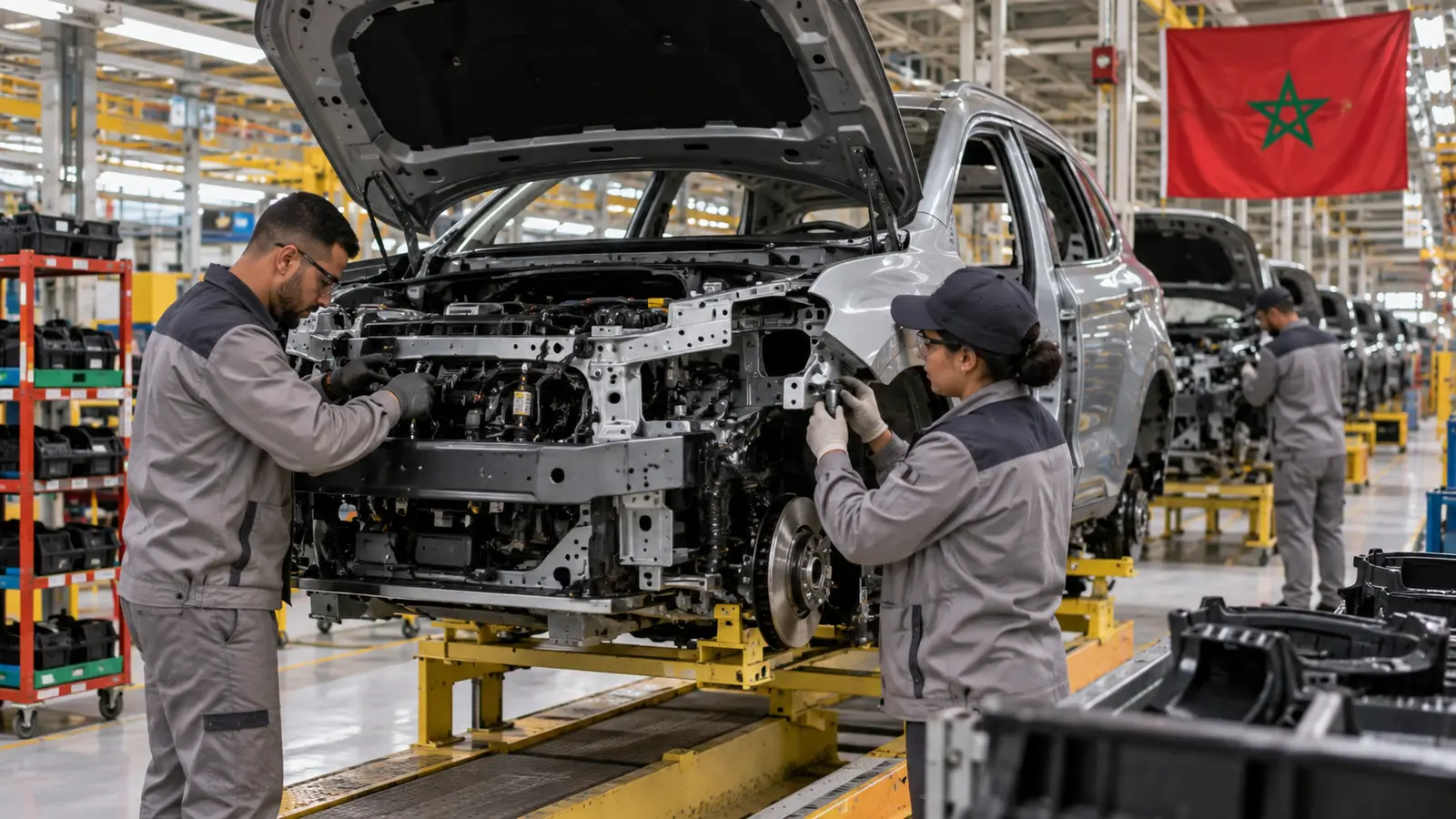
Morocco’s automotive rise depends on deeper local suppliers because the commercial decision reaches far beyond a single announcement. Export factories have placed the country inside European vehicle supply chains.
The next step is more engineering, components, research and locally owned firms.
Morocco has used ports, industrial zones and proximity to Europe to attract vehicle assembly. The harder stage is capturing engineering, tooling and component decisions that determine where margin and knowledge accumulate.
Local suppliers need certification, volume visibility and finance to meet exacting quality schedules. Universities and technical institutes must train for electronics, software and battery systems as vehicles change.
Foreign plants can create substantial employment, but incentives should be judged against wages, domestic purchasing and technology transfer. A supplier that merely imports parts into a free zone adds less resilience than one designing and producing them locally.
Industrial success is stronger when capability moves beyond assembly.
Assembly put Morocco on the automotive map. Deep capability will keep it there when models, propulsion and trade rules change—and when the country can export firms and expertise, not only finished cars.