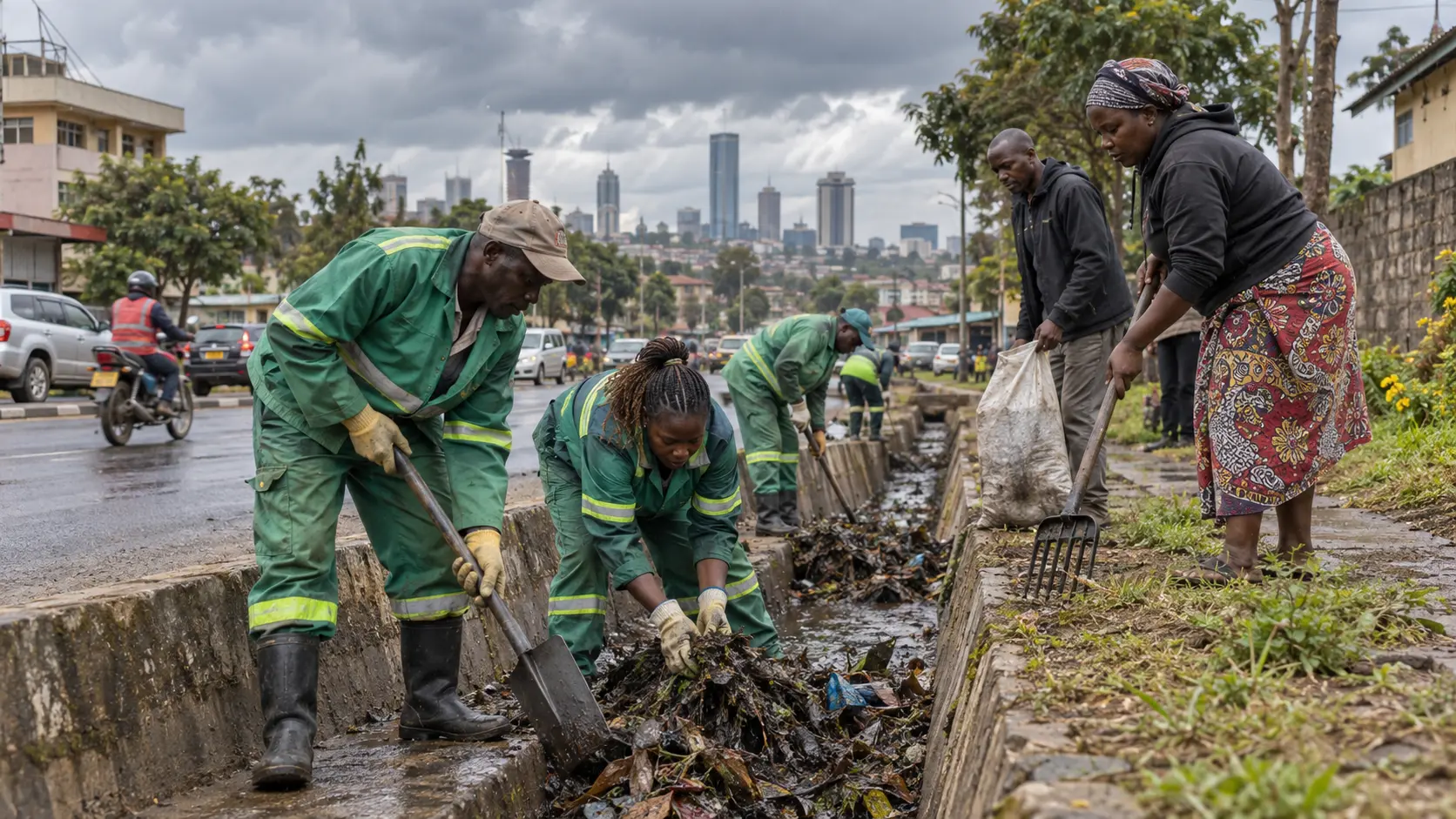
Kenyan insect fertiliser turns waste into healthier soil because the commercial decision reaches far beyond a single announcement. Enterprises are using insect systems to convert organic waste into soil inputs.
The promise lies in lower waste, local production and evidence-based improvements in soil health.
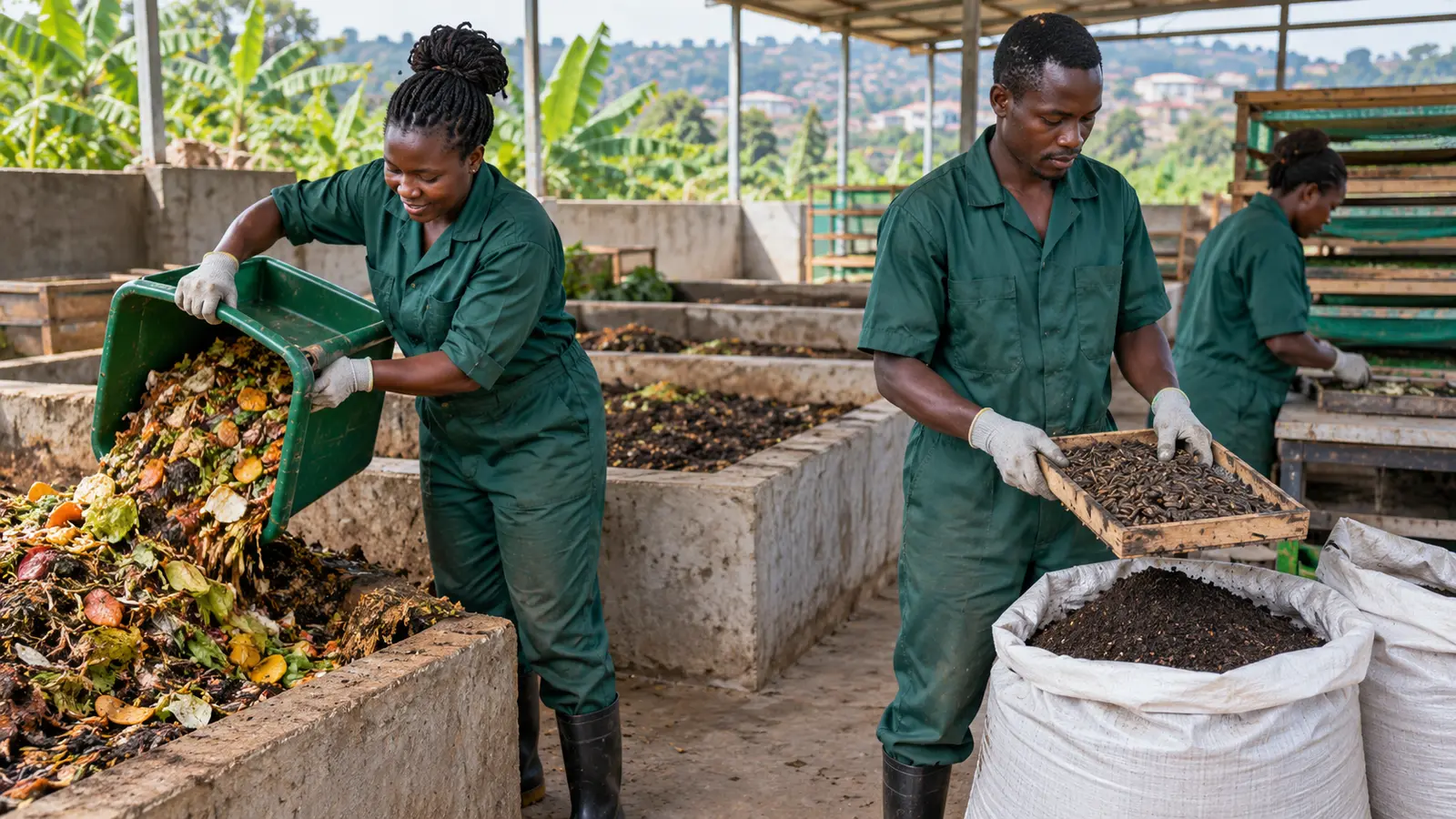
Black soldier fly systems can feed segregated organic waste to larvae, producing protein-rich biomass and a residue used as soil amendment. The value is circular only when feedstock is safe and the outputs are consistently tested.
Operators must control moisture, temperature, contamination and odour, then dry or process products to defined standards. Farmers need field evidence showing nutrient content, application rates and results across different soils.
The business connects waste collectors, markets, livestock producers and crop farmers. Revenue can come from waste handling, animal feed and fertiliser, but transport costs quickly consume the advantage if facilities sit too far from inputs or buyers.
Scaling requires quality standards and farmer trust.
The strongest claim is not that insects perform magic. It is that disciplined biology can replace part of an expensive input chain while keeping organic material out of dumps—and that claim should be proved plot by plot.