Suez Canal resilience matters far beyond shipping companies because the commercial decision reaches far beyond a single announcement. Conflict and route disruption expose how canal traffic shapes foreign exchange and global supply chains.
Diversification, safety and efficient port services matter when vessels choose alternatives.
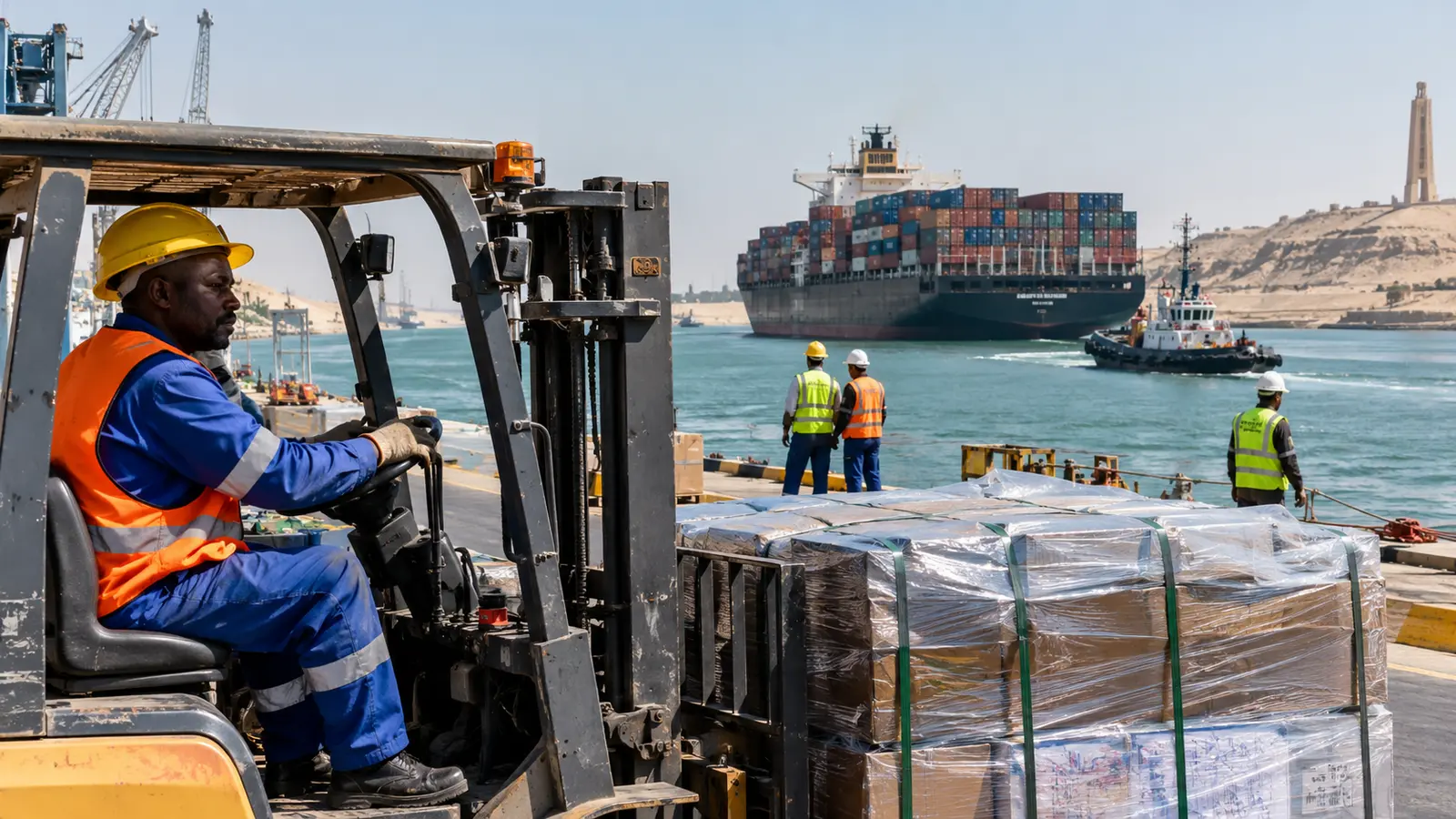
The Suez Canal converts geography into foreign exchange by shortening routes between Asia and Europe. Conflict near the Red Sea shows how quickly shipping lines can choose longer passages when crews, cargo and insurance are threatened.
Lower traffic reaches Egypt’s budget while extra distance raises fuel, freight time and inventory costs worldwide. Canal pricing must therefore balance revenue with the alternatives available to vessel operators.
Resilience includes navigation safety, tug and salvage capacity, port efficiency and diversified national income. Expansion cannot eliminate geopolitical risk beyond the canal entrances.
Maritime shocks can quickly reach national budgets and consumer prices.
Suez matters far beyond shipping companies because route choices eventually reach factory schedules and consumer prices. Egypt’s task is to remain the safest, most efficient option while budgeting honestly for disruption it cannot control.