
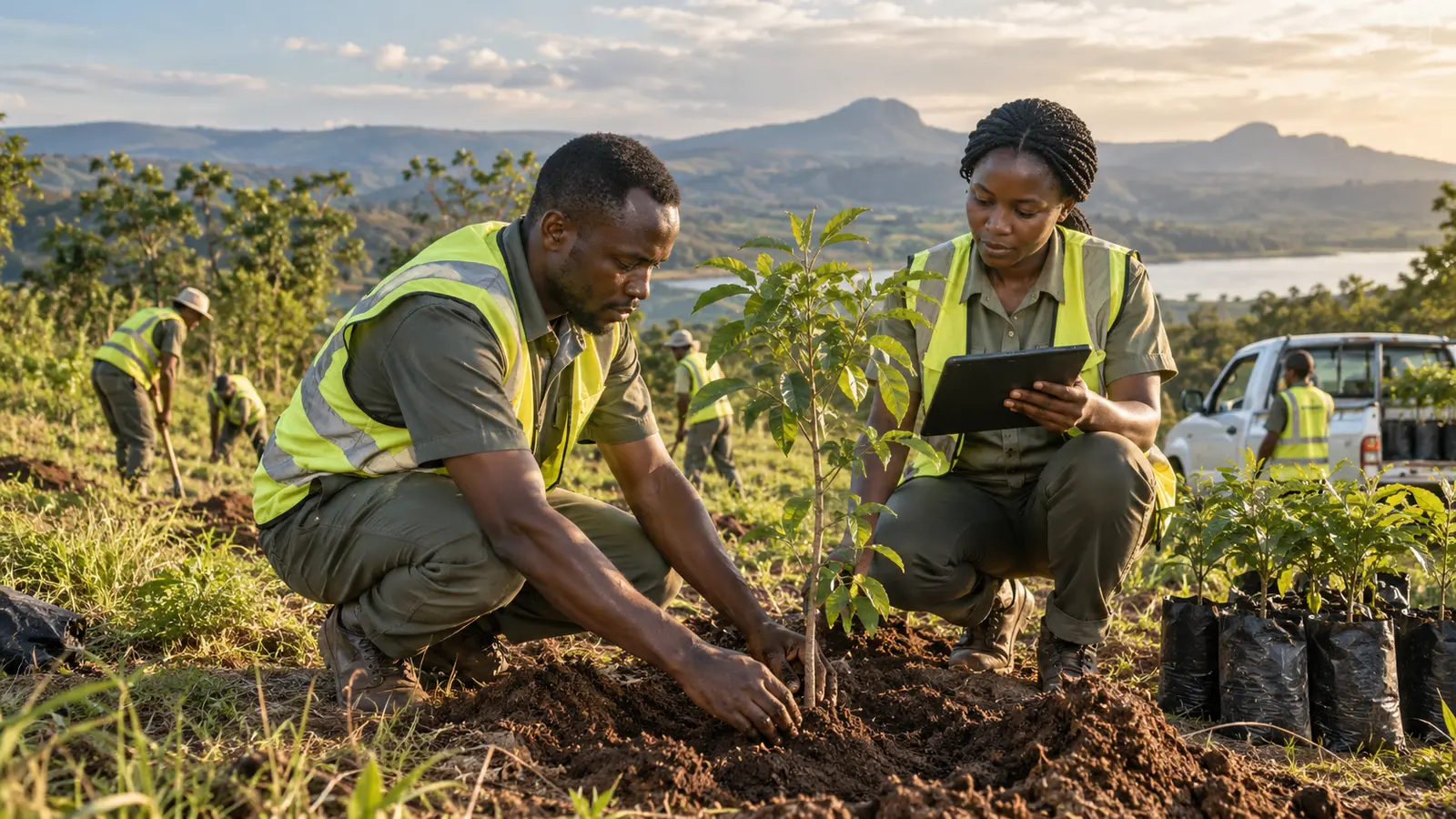
Carbon markets promise finance—but only integrity creates value because the commercial decision reaches far beyond a single announcement. Projects selling climate credits can fund conservation and energy access.
Communities need transparent consent, benefit sharing and credible measurement.
A carbon credit claims that one tonne of emissions was avoided or removed compared with a credible baseline. That invisible product requires unusually strong measurement because buyers cannot inspect it like a bag of cocoa.
Projects must address additionality, permanence, leakage and double counting. Forest protection also requires clear land rights; a community cannot give meaningful consent to a contract it cannot read or renegotiate.
Revenue-sharing formulas should be published before credits are sold, with independent grievance systems and realistic costs disclosed. Governments need registries that prevent the same reduction being claimed twice.
A cheap credit that overstates impact helps neither climate nor host communities.
Africa should not become a warehouse of cheap offsets for continued pollution elsewhere. High-integrity markets can finance useful work, but the credit is valuable only when climate benefit and community rights survive scrutiny.