
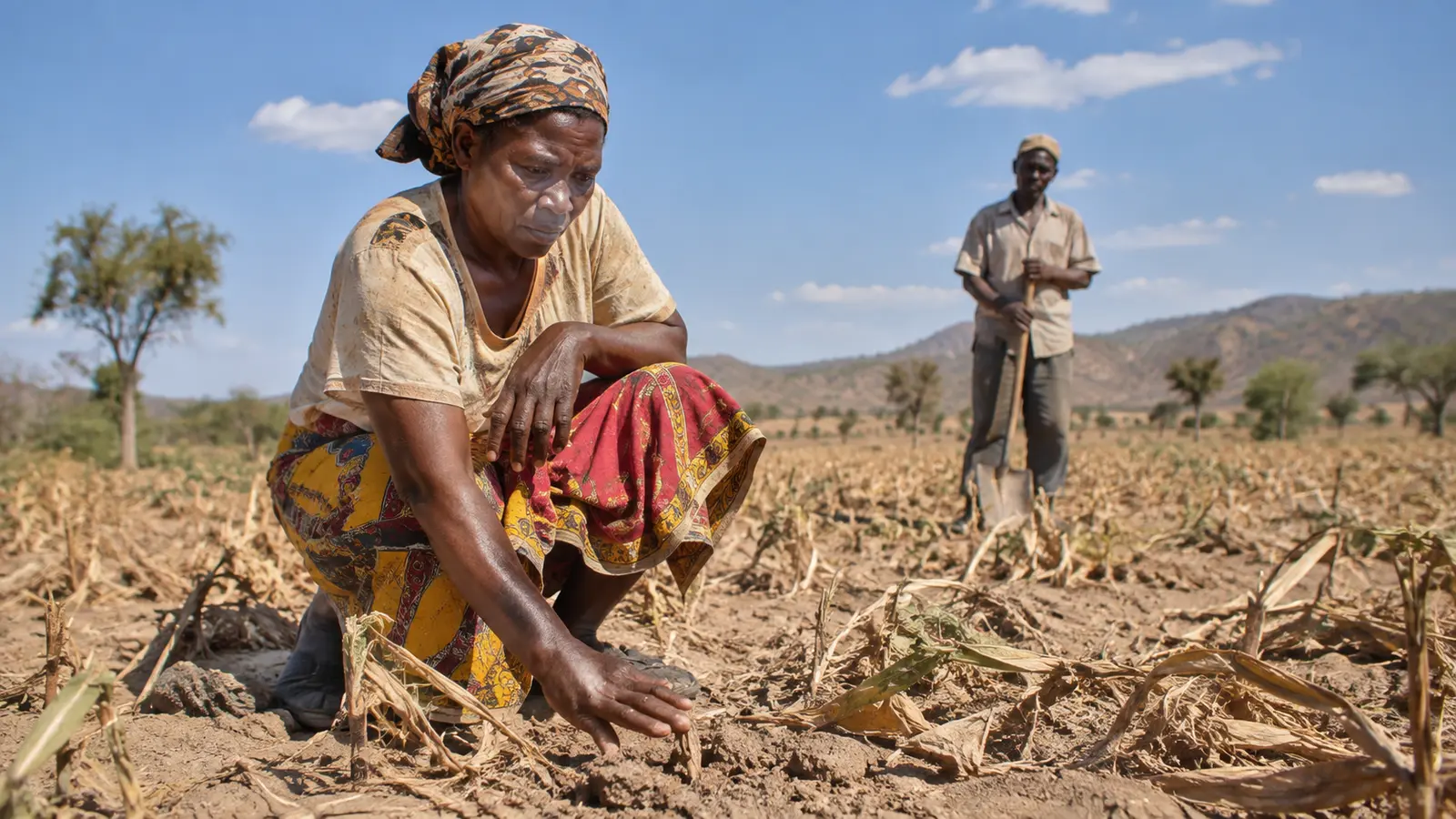
Climate insurance must pay farmers when the rain does not because the commercial decision reaches far beyond a single announcement. Index products promise faster protection against drought, but design and trust determine usefulness.
The World Bank’s agricultural risk work outlines tools for managing production shocks.
Index insurance pays when measured rainfall or vegetation crosses an agreed trigger, avoiding slow farm-by-farm loss assessment. Its speed is useful only if the index resembles what actually happened on a farmer’s land.
Basis risk appears when crops fail but the station or satellite does not trigger payment. Products need dense data, clear language and complaint routes, not merely low premiums.
Subsidies can introduce coverage, while lenders and cooperatives can bundle it with seed or credit. Farmers must know what is excluded and receive payment quickly enough to plant again.
Transparent triggers and accessible claims processes decide whether insurance protects livelihoods.
Trust is the product. Climate insurance succeeds when a farmer can predict the rule, verify the result and point to a timely payment after the rain did not come.